Introduction
Every year during peak summer in India, people often talk about Nau Tapa (also called Nautapa), a period known for intense heat and rising temperatures. It is widely believed to be the hottest phase of the season, often associated with traditional wisdom, weather patterns, and even monsoon predictions.
But what exactly is Nau Tapa? Is it purely a cultural belief, or does it have a scientific explanation? Let’s explore its meaning, timing, and real significance.
What Does Nau Tapa Mean?
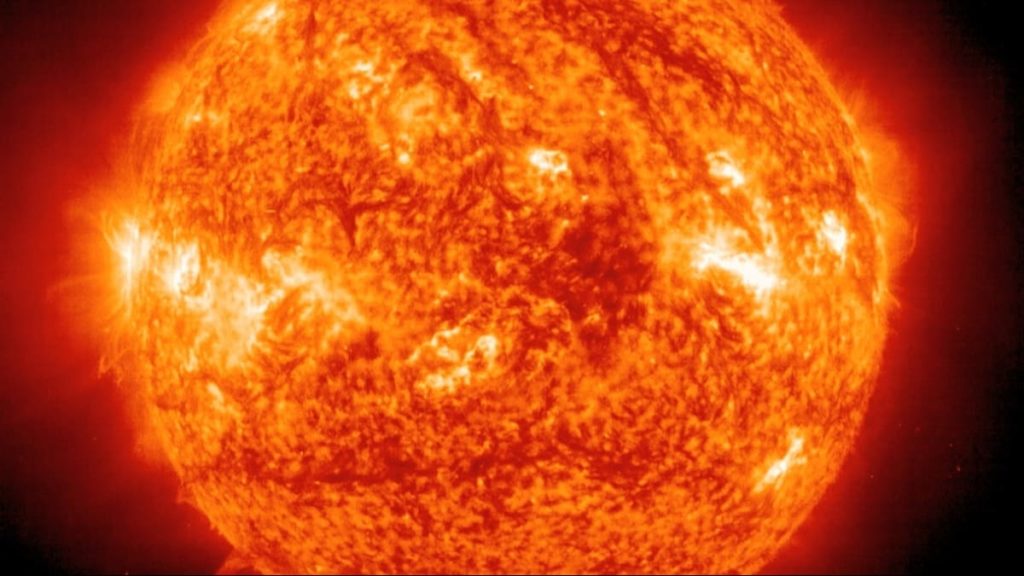
The term “Nau Tapa” comes from two Hindi words:
- “Nau” meaning nine
- “Tapa” meaning heat or intense warmth
Together, Nau Tapa refers to a nine-day period of extreme heat that typically occurs in late May or early June.
According to traditional Indian calendars, this period begins when the sun enters the Rohini Nakshatra (a specific lunar constellation in Vedic astrology). During this time, the sun’s intensity is believed to be at its peak.
Nau Tapa Dates (When Does It Occur?)
Nau Tapa usually falls between May 25 and June 2, although exact dates may vary slightly each year depending on astronomical calculations.
This period comes just before the arrival of the monsoon in many parts of India, making it a crucial transition phase in the seasonal cycle.
Why Is Nau Tapa Considered the Hottest Period?
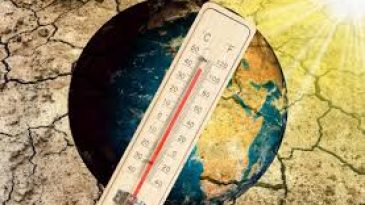
During Nau Tapa, temperatures often rise sharply, especially in northern and central India. Daytime temperatures can cross 40°C to 45°C, accompanied by dry winds known as loo.
The intensity of heat during this period is not just a coincidence—it aligns with natural climatic patterns.
The Scientific Explanation Behind Nau Tapa
While Nau Tapa has roots in traditional beliefs, it also has a strong scientific basis.
1. Solar Position and Maximum Heating
Around late May, the sun is positioned almost directly over the Tropic of Cancer, which passes through India. This results in maximum solar radiation, leading to intense surface heating.
2. Dry Atmospheric Conditions
Before the monsoon arrives, the atmosphere remains dry. Without cloud cover or rainfall, heat accumulates rapidly, causing temperatures to spike.
3. Land Heating and Pressure Changes
The Indian subcontinent heats up faster than surrounding oceans. This creates low-pressure zones over land, which play a key role in attracting monsoon winds later.
4. Role in Monsoon Formation
Interestingly, the extreme heat of Nau Tapa is not just uncomfortable—it is necessary for the monsoon cycle.
The intense heating:
- Strengthens low-pressure areas
- Helps draw moisture-laden winds from the ocean
- Supports the formation of monsoon systems
In simple terms, a strong Nau Tapa often contributes to a healthy monsoon.
Traditional Beliefs and Cultural Significance
In Indian tradition, Nau Tapa is considered an important seasonal phase.
Many believe that:
- If all nine days are intensely hot, the monsoon will be good
- Rainfall during Nau Tapa may weaken the monsoon
- It is a time to avoid excessive outdoor activity
These beliefs are rooted in centuries of observation, especially among farming communities.
Impact of Nau Tapa on Daily Life
The effects of Nau Tapa are felt across various aspects of life:
1. Health Risks
Extreme heat can lead to:
- Dehydration
- Heat exhaustion
- Heatstroke
2. Lifestyle Changes
People often adjust their routines by:
- Staying indoors during peak hours
- Increasing water intake
- Wearing light, breathable clothing
3. Agriculture
Farmers closely observe this period, as it influences:
- Soil temperature
- Crop planning
- Expectations for monsoon rainfall
How to Stay Safe During Nau Tapa
Managing the heat during Nau Tapa is essential for well-being.
- Drink plenty of water and stay hydrated
- Avoid direct sunlight during afternoon hours
- Eat light, cooling foods like fruits and curd
- Use protective clothing such as hats or scarves
- Keep your living space well-ventilated
Simple precautions can help reduce the impact of extreme heat.
Is Nau Tapa Still Relevant Today?
With changing climate patterns, some people question whether Nau Tapa still holds the same significance.
While temperatures may vary year to year, the underlying climatic principles remain valid. The period still represents a phase of intense pre-monsoon heating, which continues to influence weather systems.
However, climate change has made heat waves more unpredictable, sometimes intensifying or extending beyond traditional timelines.
Also Read: How to Remove Negativity from Your House: Practical Steps for a Positive Living Space
Final Thoughts
Nau Tapa is a fascinating blend of tradition and science. While it is rooted in cultural beliefs, it also reflects real climatic patterns that play a crucial role in India’s seasonal cycle.
Understanding Nau Tapa helps us appreciate how closely traditional knowledge aligns with natural processes. More importantly, it reminds us to take care of our health and adapt our routines during extreme weather conditions.
As temperatures rise each year, being aware of periods like Nau Tapa can help you stay prepared, safe, and informed.