Introduction
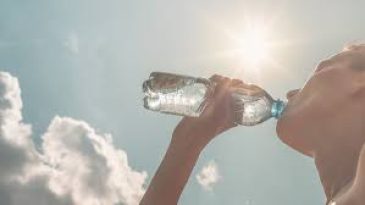
When temperatures rise, your body works harder to stay cool. Sweating is a natural response to heat, but it also causes fluid loss. If those lost fluids are not replaced, dehydration can happen quickly. Even mild dehydration can lead to fatigue, headaches, dizziness, poor concentration, and reduced physical performance.
Learning how to keep your body hydrated in summer heat is essential for maintaining energy, protecting your health, and feeling your best during the hottest months of the year. Hydration is about more than simply drinking water—it also involves food choices, daily habits, and paying attention to your body’s signals.
This guide explains practical and effective ways to stay hydrated throughout summer.
Why Hydration Matters More in Summer

Your body is made up largely of water, and it depends on fluids to regulate temperature, support digestion, circulate nutrients, lubricate joints, and remove waste. During summer, increased sweating causes a higher loss of water and electrolytes such as sodium and potassium.
If you do not replace these losses, dehydration can occur. Hot weather, outdoor activities, exercise, travel, and long hours in the sun can all increase your risk.
Proper hydration helps:
- Maintain normal body temperature
- Support energy levels
- Prevent headaches and fatigue
- Improve digestion
- Keep skin healthier
- Support focus and concentration
- Reduce risk of heat exhaustion
Start Your Day With Water
One of the easiest habits to build is drinking water soon after waking up. During sleep, your body continues to lose fluids through breathing and natural processes. Starting your morning with a glass of water helps replenish those losses.
Keep a water bottle or glass nearby so it becomes part of your morning routine. You can also add lemon, cucumber, or mint if plain water feels boring.
Beginning the day hydrated often makes it easier to continue healthy habits throughout the day.
Drink Water Consistently, Not Just When Thirsty
Many people wait until they feel thirsty before drinking water. However, thirst can be a late signal that your body already needs fluids.
Instead of drinking large amounts only occasionally, take small amounts regularly during the day. Consistent sipping is often more effective and comfortable than suddenly drinking too much at once.
Helpful tips include:
- Carry a reusable water bottle
- Keep water visible at your desk or nearby
- Take a few sips every hour
- Drink before going outdoors
Building regular habits makes hydration easier without needing to think about it constantly.
Eat Foods With High Water Content
Hydration doesn’t only come from beverages. Many fruits and vegetables contain high amounts of water and can contribute to your daily fluid intake.
Excellent summer choices include:
- Watermelon
- Cucumber
- Strawberries
- Oranges
- Pineapple
- Tomatoes
- Lettuce
- Celery
These foods can be enjoyed as snacks, salads, smoothies, or side dishes. They also provide vitamins, minerals, and fiber.
Replace Electrolytes When Needed
Sweat contains more than water. It also includes electrolytes such as sodium, potassium, and magnesium. If you sweat heavily from exercise, outdoor work, or prolonged heat exposure, replacing electrolytes may help.
Natural options include:
- Coconut water
- Fruit smoothies
- Yogurt with fruit
- Balanced meals with vegetables and salt in moderation
- Oral rehydration drinks when appropriate
For everyday hydration, water is usually enough. Electrolyte replacement becomes more important after heavy sweating or long periods in intense heat.
Limit Drinks That Can Dehydrate You
Some beverages may not hydrate as effectively when consumed in excess. Sugary drinks, highly caffeinated beverages, and energy drinks can sometimes worsen dehydration if they replace water entirely.
This does not mean you must avoid them completely, but balance is important. If you enjoy tea, coffee, or soft drinks, also make sure you drink enough water throughout the day.
Try choosing:
- Water
- Sparkling water without added sugar
- Herbal iced teas
- Fresh fruit-infused water
- Coconut water in moderation
Dress for the Weather
Hydration and clothing choices work together. Wearing heavy, dark, or tight clothing in extreme heat can raise body temperature and increase sweating.
Choose light, breathable fabrics such as cotton or moisture-wicking materials when possible. Loose-fitting clothing can help airflow and comfort, reducing excessive heat buildup.
A hat and shade can also help lower heat stress when outdoors.
Adjust Hydration for Physical Activity
Exercise in summer heat increases sweat loss significantly. If you walk, run, play sports, or work out outdoors, you need to be more intentional about hydration.
Before activity:
- Drink water beforehand
During activity:
- Sip regularly, especially during longer sessions
After activity:
- Rehydrate gradually
- Replace fluids lost through sweat
- Eat a balanced meal or snack
If you notice dizziness, extreme fatigue, nausea, or confusion, stop activity and cool down immediately.
Recognize Signs of Dehydration
Knowing the early signs of dehydration helps you act quickly. Common symptoms include:
- Dry mouth
- Headache
- Fatigue
- Dark yellow urine
- Dizziness
- Muscle cramps
- Feeling unusually hot
- Poor concentration
More serious dehydration requires medical attention. If symptoms are severe or persistent, seek professional care promptly.
Keep Hydration Easy During Travel
Summer travel often disrupts routines. Long drives, flights, sightseeing, and hot outdoor conditions can all lead to dehydration.
Smart travel habits include:
- Carrying a refillable water bottle
- Drinking water before flights or road trips
- Choosing hydrating snacks like fruit
- Limiting excess sugary drinks
- Taking breaks in shaded or cool areas
Planning ahead can prevent common travel fatigue caused by dehydration.
Create Hydration Reminders
Busy schedules make it easy to forget water intake. If that sounds familiar, use simple reminders:
- Phone alarms
- Marked water bottles with time goals
- Hydration apps
- Drinking water before meals
- Taking a sip after bathroom breaks
Small systems often work better than relying on memory alone.
Support Skin Health Through Hydration
Summer heat, sun exposure, and sweating can leave skin feeling dry or irritated. While hydration alone is not a complete skincare routine, it supports healthy skin function.
Combined with sunscreen, gentle cleansing, and a balanced diet, staying hydrated may help skin look fresher and feel more comfortable during hot weather.
How Much Water Do You Need?
There is no single number that fits everyone. Hydration needs depend on:
- Body size
- Climate
- Activity level
- Health conditions
- Diet
- Sweat rate
Instead of focusing only on exact numbers, pay attention to thirst, urine color, energy levels, and heat exposure. People who are active or outdoors in high temperatures usually need more fluids.
Common Summer Hydration Mistakes
Avoid these frequent mistakes:
1. Waiting Until You Feel Very Thirsty
Hydrate earlier and consistently.
2. Drinking Only During Meals
Spread intake throughout the day.
3. Ignoring Water-Rich Foods
Fruits and vegetables help.
4. Too Many Sugary Beverages
Balance them with water.
5. Forgetting During Travel or Work
Carry water where possible.
Smart Summer Hydration Routine
A simple daily plan may look like this:
- Water after waking up
- Water with breakfast
- Refill bottle mid-morning
- Hydrating lunch with vegetables or fruit
- Water before outdoor time
- Extra fluids after exercise
- Water with dinner
- Small amount in evening if needed
Consistency matters more than perfection.
Also Read: Parenting Tips: Building Strong, Happy, and Confident Kids
Final Thoughts
Knowing how to keep your body hydrated in summer heat can make a major difference in your comfort, energy, and overall well-being. Hot weather increases fluid loss, but smart daily habits can help you stay ahead of dehydration.
Drink water regularly, eat hydrating foods, adjust for exercise, and pay attention to early warning signs. Small actions repeated daily are often the most effective strategy.
When summer temperatures rise, hydration becomes one of the simplest and most powerful ways to support your health.