
Introduction
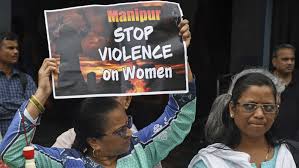
Over the years, India has made significant progress in strengthening legal protections for women. From constitutional guarantees to specific laws addressing safety, workplace rights, and family matters, the legal framework aims to promote equality, dignity, and justice.
However, awareness remains just as important as legislation. Understanding what the law says empowers women to protect their rights, make informed decisions, and take action when needed.
Constitutional Rights of Women in India
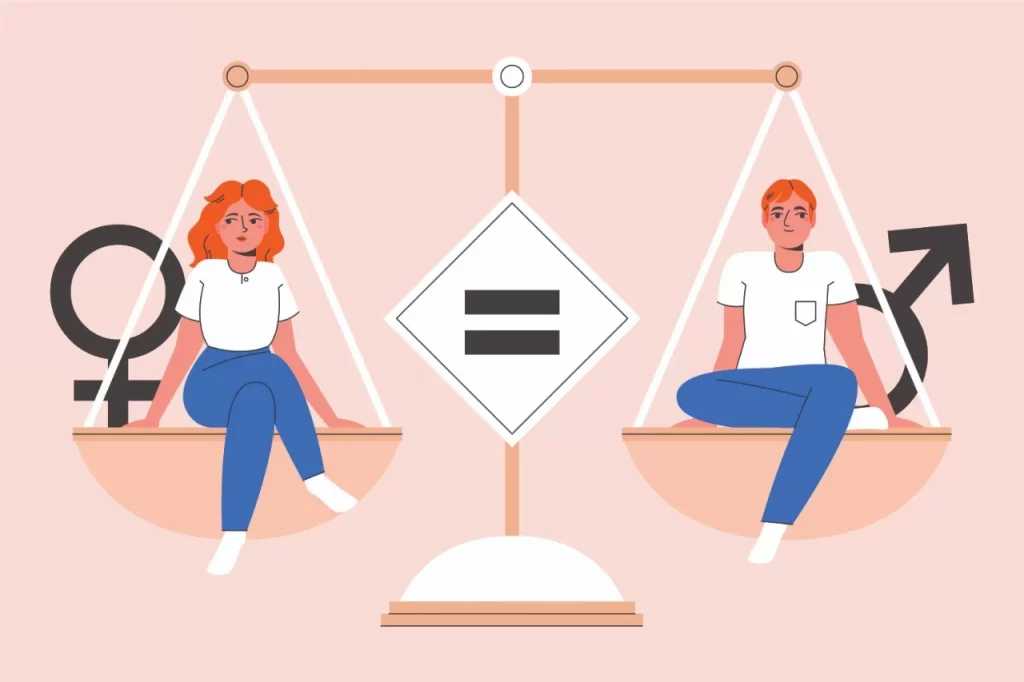
The foundation of women’s rights in India lies in the Constitution of India, which guarantees equality and prohibits discrimination.
Key Constitutional Provisions
- Right to Equality (Article 14): Ensures equal protection under the law for all citizens
- Prohibition of Discrimination (Article 15): Prevents discrimination based on gender
- Equal Opportunity (Article 16): Guarantees equal opportunities in public employment
- Right to Life and Personal Liberty (Article 21): Protects dignity, safety, and personal freedom
These rights form the backbone of all laws designed to protect women in India.
Laws for Protection Against Violence
India has enacted several laws to safeguard women from violence and abuse.
1. Domestic Violence Protection
The Protection of Women from Domestic Violence Act, 2005 provides legal protection against physical, emotional, verbal, and economic abuse within the household.
It allows women to:
- Seek protection orders
- Claim residence rights
- Request financial support
2. Protection Against Sexual Harassment
The Sexual Harassment of Women at Workplace Act, 2013 ensures a safe working environment for women.
Key provisions include:
- Mandatory Internal Complaints Committees in organizations
- Defined procedures for filing complaints
- Protection against retaliation
3. Laws Against Cruelty and Dowry
The Dowry Prohibition Act, 1961 makes giving or receiving dowry a punishable offense.
Additionally, Section 498A of the Indian Penal Code addresses cruelty by a husband or his relatives.
Marriage, Divorce, and Family Rights
Women in India are protected by various laws related to marriage and family.
1. Right to Maintenance
Under laws such as the Code of Criminal Procedure, 1973, women have the right to claim maintenance from their spouse if they are unable to support themselves.
2. Divorce Rights
Women have the legal right to seek divorce on various grounds, including cruelty, desertion, or mutual consent, depending on personal laws applicable to their religion.
3. Rights in Live-in Relationships
Indian courts have recognized certain rights for women in live-in relationships, offering protection similar to marriage in cases of abuse or abandonment.
Property and Inheritance Rights
Property rights have evolved significantly in favor of women.
The Hindu Succession Act, 1956 (amended in 2005) grants daughters equal rights in ancestral property, making them equal coparceners alongside sons.
This means women can:
- Inherit property equally
- Own and manage assets independently
- Claim their share in family property
Workplace Rights for Women
Indian law ensures that women are treated fairly and safely in professional environments.
Maternity Benefits
The Maternity Benefit Act, 1961 provides paid maternity leave and protects employment during pregnancy.
Key benefits include:
- Paid leave (up to 26 weeks in many cases)
- Job protection during maternity
- Nursing breaks after returning to work
Equal Pay
The Equal Remuneration Act, 1976 ensures that women receive equal pay for equal work and are not discriminated against in hiring.
Protection Against Harassment and Abuse
1. Laws Against Stalking and Harassment
The Indian Penal Code includes provisions that criminalize stalking, harassment, and acts that threaten a woman’s safety.
2. Cyber Safety Laws
With the rise of digital platforms, laws also address online harassment, cyberstalking, and misuse of personal data.
Women can take legal action against:
- Online abuse
- Unauthorized sharing of images
- Cyberbullying
Legal Support and Remedies
Women in India have access to multiple legal remedies and support systems.
1. Filing a Complaint
- FIRs (First Information Reports) can be filed at any police station
- Women can request a female officer for assistance
- Complaints can also be filed online in many states
2. Support Services
Various government and non-government organizations offer:
- Legal aid
- Counseling services
- Helplines for immediate assistance
Why Legal Awareness Matters
Despite strong laws, lack of awareness often prevents women from exercising their rights. Knowing the law helps:
- Recognize violations
- Take timely action
- Avoid exploitation
- Build confidence in challenging situations
Legal awareness is a powerful tool for empowerment.
Also Read: How Much Water Do You Really Need in Summer?
Final Thoughts
Women’s rights in India are supported by a robust legal framework that covers safety, equality, family matters, and workplace protections. While laws alone cannot solve every issue, they provide a strong foundation for justice and empowerment.
Understanding what the law says is the first step toward using it effectively. When women are informed about their rights, they are better equipped to protect themselves, make independent choices, and contribute to a more equal and just society.