

Introduction
In recent decades, the number of cancer cases reported worldwide has steadily increased. Health organizations, researchers, and governments are paying close attention to this trend because cancer has become one of the leading causes of illness and death globally. While medical science has made remarkable progress in diagnosing and treating many types of cancer, the rising number of cases continues to raise important questions.
Understanding why cancer rates are increasing is complex because multiple factors contribute to this trend. Some of these factors are related to population changes, while others are linked to lifestyle, environmental conditions, and advancements in medical detection. Exploring these reasons can help individuals become more aware of potential risks and encourage healthier choices that may reduce the likelihood of developing cancer.
Population Growth and Aging
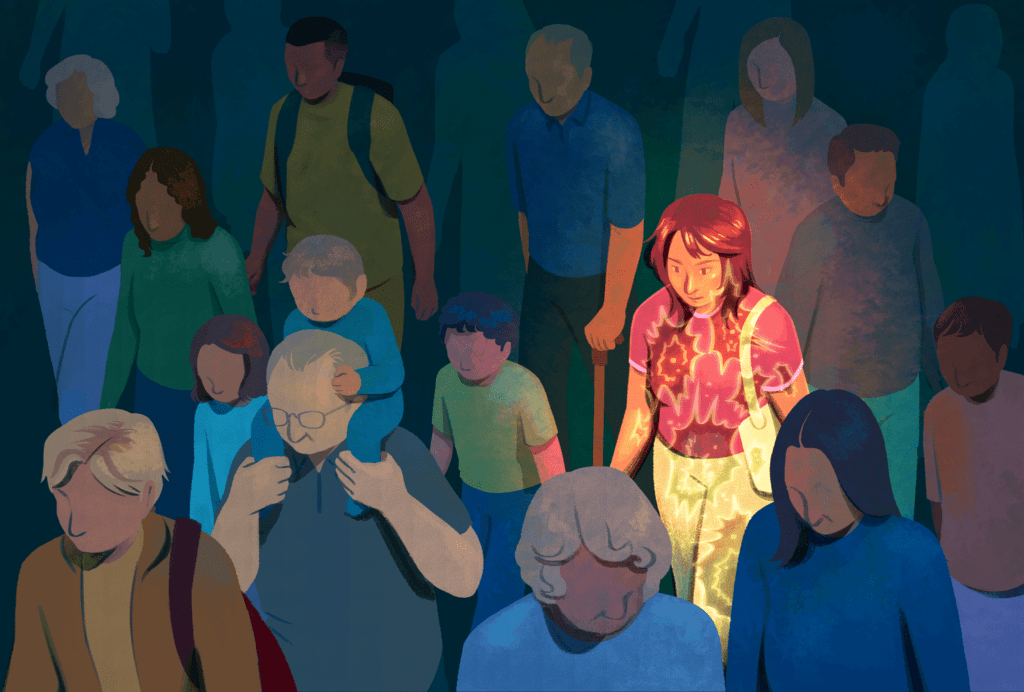
One of the most significant reasons for the increase in cancer cases worldwide is population growth and aging. As the global population expands, the number of people who could potentially develop cancer also rises. Even if the overall risk per person remains the same, a larger population naturally results in more cases.
Aging is another important factor. Cancer is more common in older adults because the disease often develops over many years as genetic mutations accumulate in cells. As life expectancy increases due to improvements in healthcare and living conditions, more people are living long enough to reach ages where cancer becomes more likely.
In many countries, especially those experiencing rapid development, the population is aging faster than before. This demographic shift plays a major role in the rising number of cancer diagnoses around the world.
Improved Detection and Diagnosis
Advances in medical technology have significantly improved the ability to detect cancer. Modern imaging tools, laboratory tests, and screening programs allow doctors to identify cancers earlier and more accurately than in the past.
In previous decades, many cancers may have gone undiagnosed or misdiagnosed. Today, improved awareness and better diagnostic techniques mean that more cases are being detected and recorded. Screening programs for conditions such as breast cancer, cervical cancer, and colorectal cancer have helped identify diseases that might otherwise have remained unnoticed until much later stages.
Although improved detection increases the reported number of cancer cases, it also allows earlier treatment, which often improves survival rates.
Changes in Lifestyle Habits
Lifestyle factors have a significant influence on cancer risk. As societies modernize and lifestyles change, certain habits that increase cancer risk have become more common in many parts of the world.
One example is the increased consumption of processed foods and diets high in sugar, unhealthy fats, and refined carbohydrates. Such diets may contribute to obesity, which has been linked to several types of cancer.
Physical inactivity is another growing concern. Many people now spend long hours sitting at desks, working on computers, or using digital devices. A sedentary lifestyle can contribute to weight gain and metabolic changes that may increase cancer risk.
Smoking and excessive alcohol consumption also remain major contributors to cancer globally. Tobacco use is associated with cancers of the lungs, throat, mouth, and several other organs. Although smoking rates have declined in some countries, they remain high in others, continuing to affect global cancer statistics.
Environmental Pollution and Exposure
Environmental factors are increasingly being examined as potential contributors to rising cancer rates. Industrial growth, urbanization, and increased chemical exposure have introduced new environmental challenges.
Air pollution is one of the most widely studied environmental risks. Pollutants released from vehicles, factories, and energy production can contain substances that may increase the likelihood of certain cancers, particularly lung cancer.
Water contamination and exposure to harmful chemicals in soil and food are also areas of concern. Pesticides, industrial waste, and other pollutants may enter the environment and affect human health over long periods.
Although research continues to explore these connections, many experts believe that environmental exposure plays a role in the increasing global cancer burden.
Rising Obesity Rates
Obesity has become a major global health issue and is now recognized as a risk factor for several types of cancer. Excess body weight can influence hormone levels, inflammation, and metabolic processes within the body.
Studies suggest that obesity may increase the risk of cancers such as breast cancer, colorectal cancer, liver cancer, and pancreatic cancer. As obesity rates continue to rise in both developed and developing countries, its impact on cancer statistics becomes more noticeable.
Changing dietary patterns, reduced physical activity, and increased consumption of calorie-dense foods have contributed to the global rise in obesity.
Delayed Childbearing and Reproductive Changes
In many parts of the world, social and economic changes have influenced reproductive patterns. People are often choosing to have children later in life or having fewer children than previous generations.
These shifts can influence the risk of certain cancers, particularly breast and ovarian cancers. For example, earlier pregnancies and breastfeeding have been associated with reduced risk for some types of breast cancer. When reproductive patterns change, the protective effects may also change.
While these lifestyle and societal changes provide many benefits in terms of education and career opportunities, they may also influence long-term health trends.
Increased Awareness and Reporting
Another factor contributing to the rise in cancer statistics is improved reporting systems. Many countries now have national cancer registries that track cases more accurately than in the past.
Healthcare systems have become better at collecting and analyzing health data, which means that cancer cases are more likely to be recorded and studied. In regions where healthcare access has improved, people are more likely to visit doctors, undergo testing, and receive diagnoses.
This improved reporting does not necessarily mean that cancer itself is increasing dramatically in every region, but it does mean that cases are being documented more thoroughly.
Genetic and Biological Factors
Genetics also plays a role in cancer development. Some individuals inherit genetic mutations that increase their risk of certain cancers. With advancements in genetic research and testing, scientists are learning more about how inherited traits influence cancer risk.
However, genetics alone cannot explain the global increase in cancer cases. Most cancers develop due to a combination of genetic susceptibility and environmental or lifestyle factors.
Ongoing research in cancer biology continues to explore how these elements interact and influence disease development.
The Role of Stress and Modern Living
Modern lifestyles often involve higher levels of stress, fast-paced work environments, and limited time for rest and healthy habits. While stress alone does not directly cause cancer, it may influence behaviors that increase risk, such as poor diet, smoking, or lack of physical activity.
Chronic stress can also affect the body’s immune system and overall health, which may play a role in how diseases develop and progress. As societies become more urbanized and technologically driven, understanding the health impact of these changes becomes increasingly important.
Moving Toward Prevention and Awareness
Despite the rise in cancer cases, there is also positive news. Medical research continues to advance rapidly, leading to better treatments, improved survival rates, and more effective prevention strategies.
Public health campaigns around the world encourage people to adopt healthier lifestyles, avoid tobacco, limit alcohol consumption, maintain a balanced diet, and stay physically active. Regular medical checkups and screening programs can also help detect cancer at earlier stages, when treatment is often more successful.
Increased awareness plays a crucial role in reducing risk and improving outcomes for those affected by cancer.
Also Read: Reducing Oral Cancer Risks: Essential Tips for a Healthy Mouth
Conclusion
The increase in cancer rates worldwide is influenced by a combination of factors, including population growth, aging, lifestyle changes, environmental exposure, and improved detection methods. While some of these trends reflect positive developments such as longer life expectancy and better healthcare systems, others highlight the importance of addressing lifestyle and environmental risks.
Understanding these causes can help individuals and communities make informed decisions about health and prevention. As scientific research continues to explore the complex nature of cancer, ongoing efforts in education, early detection, and healthier living remain essential in managing the global cancer challenge.