Introduction
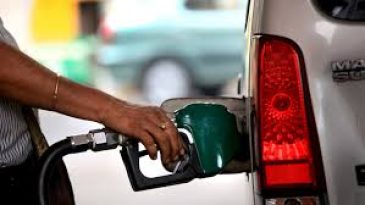
Fuel prices in India have become a major concern for millions of households. Whether it is petrol or diesel, frequent price increases directly affect daily transportation costs, monthly budgets, and even the prices of essential goods. For working professionals, students, small business owners, and delivery workers, rising fuel expenses can create financial pressure that is difficult to ignore.
As fuel prices continue to fluctuate, many Indian citizens are looking for practical ways to reduce their daily fuel consumption and manage expenses more efficiently. While individuals may not be able to control global oil prices or government taxes, they can adopt smarter habits and lifestyle changes that make a real difference over time.
Why Fuel Prices Are Rising in India

Fuel prices in India are influenced by several factors. One major reason is the international crude oil market. Since India imports a large portion of its crude oil requirements, global price changes have a direct impact on domestic fuel costs.
Other factors include:
- Central and state taxes
- Transportation and refining costs
- Currency exchange rates
- International geopolitical tensions
- Supply chain disruptions
When global crude oil prices rise or the Indian rupee weakens against the US dollar, petrol and diesel prices often increase across the country.
How Rising Fuel Prices Affect Daily Life
Fuel price hikes impact more than just vehicle owners. Transportation costs influence almost every sector of the economy. When fuel becomes expensive, the cost of transporting goods also increases, which can lead to higher prices for food, groceries, and other essentials.
For many families, rising fuel costs affect:
- Daily commuting expenses
- School and college transportation
- Business deliveries
- Public transport fares
- Household monthly budgets
This is why reducing fuel consumption has become an important financial strategy for many Indian citizens.
Practical Ways Citizens Can Reduce Daily Fuel Expenses
Although fuel prices may continue to fluctuate, there are several smart habits people can adopt to reduce unnecessary fuel consumption.
1. Use Public Transport More Often
One of the simplest ways to save fuel is by using public transportation whenever possible. Metro systems, buses, and local trains can significantly reduce personal fuel expenses.
In cities like Delhi, Mumbai, and Bengaluru, public transport networks help millions of people reduce commuting costs every day.
Using public transport a few times a week instead of driving daily can create noticeable monthly savings.
2. Practice Carpooling
Carpooling is becoming increasingly popular among office workers and students. Sharing rides with coworkers, friends, or neighbors helps divide fuel expenses while also reducing traffic congestion.
Even sharing rides two or three times per week can lower fuel consumption significantly over time.
3. Maintain Proper Tire Pressure
Many people overlook vehicle maintenance, but low tire pressure increases rolling resistance and forces the engine to consume more fuel.
Checking tire pressure regularly can improve fuel efficiency and help vehicles perform better. Properly inflated tires also improve safety and extend tire life.
4. Avoid Aggressive Driving
Fast acceleration, sudden braking, and overspeeding can increase fuel consumption considerably. Smooth driving habits help conserve fuel and reduce wear on the vehicle.
Some fuel-saving driving habits include:
- Maintaining steady speed
- Avoiding unnecessary braking
- Driving within speed limits
- Using higher gears appropriately
These small adjustments can improve mileage over time.
5. Turn Off the Engine During Long Stops
Many drivers leave their engines running during traffic signals or long waiting periods. Idling consumes fuel unnecessarily.
Turning off the engine during long stops can help save fuel, especially in heavily congested urban areas where traffic delays are common.
6. Plan Routes Efficiently
Poor route planning can increase fuel usage due to traffic congestion and longer travel times. Navigation apps can help drivers choose shorter or less crowded routes.
Combining multiple errands into a single trip also helps reduce unnecessary travel and fuel waste.
7. Reduce Unnecessary Vehicle Weight
Extra weight forces vehicles to consume more fuel. Carrying unnecessary luggage, tools, or items in the car trunk can reduce mileage.
Keeping the vehicle light and removing unused items can contribute to better fuel efficiency.
8. Consider Fuel-Efficient Vehicles
People planning to buy new vehicles may benefit from choosing fuel-efficient models. Vehicles with higher mileage ratings can reduce long-term fuel costs significantly.
Many Indian consumers are also exploring hybrid and electric vehicles as alternatives to traditional petrol and diesel vehicles.
9. Explore Electric Vehicles and Two-Wheelers
Electric vehicles (EVs) are gaining popularity in India due to increasing fuel prices and growing environmental awareness. Electric scooters and bikes are especially becoming common in urban areas.
Although EVs may involve higher initial costs in some cases, they can offer lower running expenses over time.
Government incentives and expanding charging infrastructure are also encouraging adoption across India.
10. Work From Home When Possible
The work-from-home trend has shown how remote work can reduce commuting expenses and fuel consumption. Employees who have flexible work options can save both time and transportation costs.
Even hybrid work schedules can make a noticeable difference in monthly fuel spending.
11. Keep Your Vehicle Well Maintained
Regular servicing improves engine performance and fuel efficiency. Dirty air filters, old engine oil, and poorly maintained engines often consume more fuel.
Routine maintenance checks can help drivers avoid unnecessary fuel loss and expensive repairs later.
12. Use Air Conditioning Wisely
Excessive air conditioner usage can increase fuel consumption, particularly during city driving. Using the AC efficiently and avoiding extremely low temperature settings may help improve mileage.
During pleasant weather, natural ventilation can sometimes reduce the need for continuous AC usage.
13. Walk or Cycle for Short Distances
For nearby destinations, walking or cycling can eliminate fuel expenses completely. Short trips often consume more fuel because engines operate less efficiently during brief travel periods.
Cycling and walking also provide health benefits and reduce environmental pollution.
Why Fuel Conservation Matters Beyond Personal Savings
Reducing fuel consumption is not only about saving money. Lower fuel usage also helps reduce pollution, traffic congestion, and dependence on imported oil.
When citizens collectively adopt fuel-saving habits, the country benefits through:
- Reduced carbon emissions
- Better air quality
- Lower traffic congestion
- Improved energy efficiency
- Reduced oil import dependency
Small individual actions can contribute to larger environmental and economic improvements over time.
The Role of Government and Public Awareness
While citizens can adopt fuel-saving habits, policy support also plays an important role. Improvements in public transport systems, EV infrastructure, road quality, and traffic management can help reduce fuel consumption nationwide.
Public awareness campaigns about fuel conservation and sustainable transportation can also encourage long-term behavioral change.
Also Read: How to Keep Your Body Hydrated in Summer Heat
Final Thoughts
Rising fuel prices in India continue to affect household budgets and daily life across the country. While individuals may not control international oil markets or taxation policies, they can take practical steps to reduce fuel expenses through smarter driving habits, better vehicle maintenance, and alternative transportation choices.
Simple changes such as carpooling, route planning, maintaining tire pressure, and using public transport can lead to meaningful savings over time. As fuel prices remain uncertain, adopting fuel-efficient habits can help citizens manage costs while also supporting environmental sustainability.
In the long run, conscious fuel usage benefits not only personal finances but also the economy, public health, and the environment.