
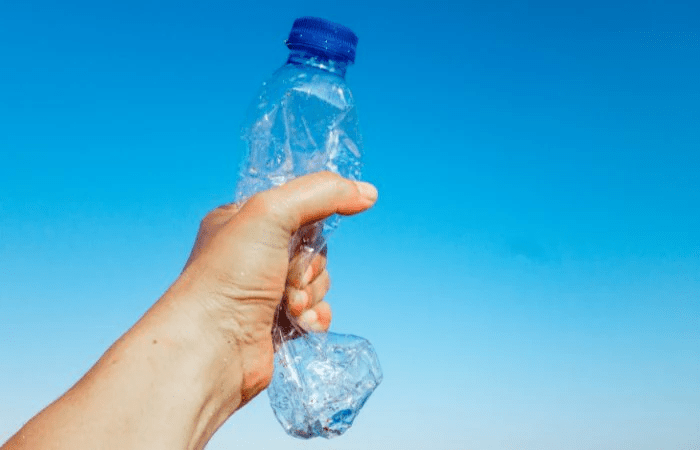
Plastic pollution has become one of the most pressing environmental issues in India and around the world. From bustling cities to remote villages, single-use plastics like bags, bottles, and straws are everywhere. They clutter streets, choke drains, and end up in rivers and oceans, harming wildlife and ecosystems. With India generating millions of tons of plastic waste each year, transitioning to a plastic-free lifestyle is more important than ever.
The good news is that every individual can make a difference. By adopting small, practical changes in daily life, you can reduce plastic consumption and contribute to a cleaner, healthier India.
Why a Plastic-Free India Matters
Plastic takes hundreds of years to decompose and releases harmful chemicals into the environment during degradation. Improper disposal of plastic waste leads to clogged waterways, urban flooding, and soil contamination. Moreover, plastic particles break down into microplastics, entering the food chain and affecting human health.
A plastic-free India would mean reduced pollution, healthier ecosystems, and a more sustainable lifestyle. Government initiatives like bans on single-use plastics in various states are a step forward, but individual action is equally vital to create lasting change.
Start with Simple Changes at Home
Reducing plastic consumption starts at home, where daily choices can have a significant impact.

Reusable Bags and Containers
Plastic bags are among the most common pollutants. Switching to cotton, jute, or canvas bags for grocery shopping is an easy and effective way to reduce waste. Similarly, using glass or stainless steel containers for storage instead of plastic ones can help limit exposure to harmful chemicals.
Avoid Plastic Bottles
Single-use plastic bottles contribute heavily to pollution. Investing in a reusable water bottle made of steel, glass, or BPA-free materials not only reduces waste but also saves money over time. Encouraging family members to refill bottles rather than buying new ones creates a lasting habit.
Sustainable Kitchen Practices
Many kitchen items, like cling film, plastic straws, and cutlery, can be replaced with sustainable alternatives. Use beeswax wraps instead of cling film, metal or bamboo straws, and wooden or steel cutlery to make your kitchen more eco-friendly.
Reduce Plastic While Shopping
Plastic packaging is a major contributor to waste in India. Being mindful while shopping can significantly reduce your plastic footprint.
Choose Loose Produce
Whenever possible, buy fruits, vegetables, and grains in bulk or loose rather than pre-packaged in plastic. Carry reusable produce bags to avoid plastic packaging.
Opt for Eco-Friendly Products
Many brands now offer biodegradable or recyclable packaging. Choosing products with minimal or plastic-free packaging sends a signal to manufacturers that consumers care about sustainability.
Support Local Markets
Local markets often use less packaging than supermarkets. Purchasing from local vendors reduces plastic use and supports the community economy.
Mindful Habits Outside the Home
Living a plastic-free lifestyle extends beyond the home. Daily habits can have a wide-reaching impact on the environment.
Carry Your Own Essentials
Keep reusable bags, cutlery, and bottles with you when going out. This small practice can help you avoid single-use plastics while eating out or shopping.
Say No to Straws and Cups
Opt for paper, metal, or bamboo straws if necessary, or avoid straws entirely. When ordering drinks, use personal cups or mugs instead of disposable plastic ones.
Participate in Community Clean-Ups
Join or organize local clean-up drives to remove plastic waste from streets, parks, and rivers. Community engagement not only improves your neighborhood but also raises awareness among others.
Educate Yourself and Others
Knowledge is power. Understanding the impact of plastic pollution and spreading awareness can inspire others to act.
Learn About Recycling and Disposal
Proper disposal and recycling practices reduce the amount of plastic that ends up in landfills or water bodies. Educate yourself about recyclable materials and local waste management rules.
Advocate for Change
Encourage friends, family, and neighbors to reduce plastic use. Social media campaigns, workshops, or school programs can amplify your message and create a ripple effect.
Sustainable Alternatives for Everyday Items
Transitioning away from plastic is easier when sustainable alternatives are available.
- Cloth bags instead of plastic shopping bags
- Glass jars and bottles instead of plastic containers
- Bamboo toothbrushes instead of plastic ones
- Reusable coffee cups instead of disposable cups
- Natural fiber packaging for gifts and deliveries
By making these swaps gradually, the shift becomes manageable and long-lasting.
Benefits of a Plastic-Free Lifestyle
Living plastic-free comes with multiple advantages:
- Environmental Impact: Less plastic in landfills, rivers, and oceans.
- Health Benefits: Reduced exposure to harmful chemicals found in plastics.
- Financial Savings: Reusable items save money in the long run.
- Mindful Living: Encourages conscious consumerism and sustainable habits.
Every small change contributes to a larger movement, collectively creating a cleaner, greener India.
Government Initiatives Supporting a Plastic-Free India
Several Indian states have implemented bans on single-use plastics, targeting items like bags, straws, and cups. Initiatives like Swachh Bharat Abhiyan and awareness campaigns promote waste segregation and sustainable living. By aligning personal efforts with these policies, citizens can strengthen the impact of government measures.
Read Also : Top Indian Skincare Brands Made Without Harmful Chemicals
Final Thoughts
A plastic-free India is not just a dream; it’s an achievable goal if individuals commit to mindful living. By reducing plastic use at home, choosing sustainable products, adopting responsible habits outside, and spreading awareness, each person can make a meaningful contribution.
The journey towards a cleaner environment begins with simple daily choices. Every reusable bag, metal bottle, or bamboo straw represents a step toward a healthier planet and a more sustainable lifestyle. Together, these small efforts can build a plastic-free India for future generations.