

Introduction
Sweating is your body’s natural way of staying cool, especially during hot weather or physical activity. But what happens when sweating feels excessive, constant, or unpredictable? Many people wonder whether it’s normal—or a sign of something more.
The answer isn’t always simple. While sweating varies from person to person, understanding what’s typical and what might need attention can help you manage it more confidently.
Why Do We Sweat?
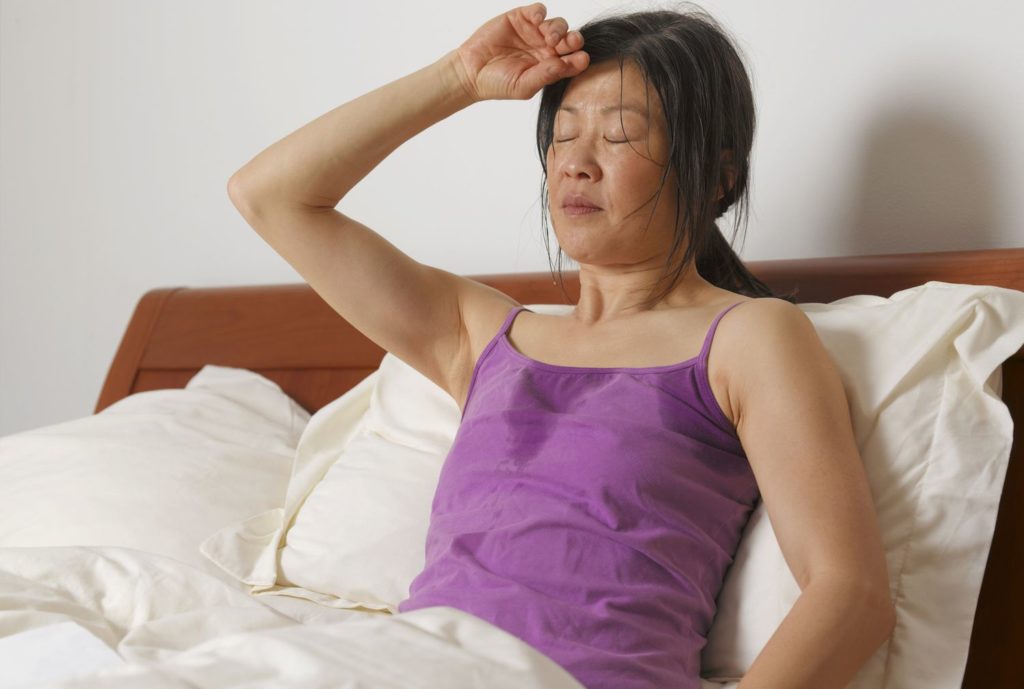
Sweating is controlled by your body’s temperature regulation system. When your internal temperature rises, your sweat glands release moisture onto the skin. As this moisture evaporates, it cools your body down.
Common triggers include:
- Hot weather
- Exercise or physical activity
- Stress or anxiety
- Spicy foods
- Hormonal changes
In most cases, sweating is a healthy and necessary function.
What Is Considered “Excessive” Sweating?
Excessive sweating goes beyond what your body needs for cooling. It may occur:
- Even when you’re not physically active
- In cool or air-conditioned environments
- In specific areas like hands, feet, or underarms
- Frequently or unpredictably
If sweating interferes with daily life, comfort, or confidence, it may be considered excessive.
Understanding Hyperhidrosis
One of the most common causes of excessive sweating is hyperhidrosis, a condition characterized by overactive sweat glands.
Types of Hyperhidrosis
Primary Hyperhidrosis
- Affects specific areas (palms, soles, underarms, face)
- Often begins in childhood or adolescence
- Not linked to an underlying medical condition
Secondary Hyperhidrosis
- Caused by an underlying issue such as hormonal imbalance, infection, or medication
- May affect the entire body
- Can develop later in life
Understanding the type helps determine the right approach to management.
When Is Sweating Normal?
Sweating is generally normal when it occurs in response to clear triggers like:
- High temperatures
- Intense physical activity
- Emotional stress
It’s also common to sweat more during summer or in humid environments. Some people naturally sweat more than others due to genetics or body composition.
When Should You Be Concerned?
While occasional heavy sweating is normal, certain signs may indicate a need for further attention:
- Sweating without any clear trigger
- Night sweats that disrupt sleep
- Sudden increase in sweating patterns
- Sweating accompanied by symptoms like fatigue or weight changes
If you notice these signs, it’s a good idea to consult a healthcare professional.
Common Causes of Excessive Sweating
Beyond hyperhidrosis, several factors can contribute to increased sweating:
1. Hormonal Changes
Fluctuations during puberty, pregnancy, or menopause can increase sweat production.
2. Stress and Anxiety
Emotional triggers can activate sweat glands, especially in areas like the palms and underarms.
3. Diet and Lifestyle
Spicy foods, caffeine, and alcohol may stimulate sweating in some individuals.
4. Medical Conditions
Certain health conditions or medications can lead to increased sweating as a side effect.
How to Manage Excessive Sweating
While you may not be able to stop sweating completely, there are ways to manage it effectively.
1. Maintain Good Hygiene
Regular bathing and wearing clean clothes can help control odor and discomfort.
2. Choose Breathable Fabrics
Lightweight, natural fabrics like cotton allow better airflow and reduce sweat buildup.
3. Stay Hydrated
Drinking enough water helps regulate body temperature and may reduce excessive sweating.
4. Use Antiperspirants
Unlike deodorants, antiperspirants help reduce sweat production by blocking sweat glands temporarily.
5. Manage Stress
Relaxation techniques such as deep breathing or meditation can help reduce stress-related sweating.
Medical Treatment Options
If sweating becomes severe, medical treatments may be considered.
Options can include:
- Prescription-strength antiperspirants
- Oral medications
- Botulinum toxin (Botox) injections
- Other specialized treatments
A healthcare provider can recommend the most suitable approach based on your condition.
The Emotional Impact of Sweating
Excessive sweating doesn’t just affect the body—it can also impact confidence and social comfort. Many people feel self-conscious or anxious about visible sweat.
Recognizing that this is a common issue—and that solutions exist—can make it easier to address both the physical and emotional aspects.
Also Read: Women’s Rights in India: What the Law Says
Final Thoughts
So, is excessive sweating normal? In many cases, yes—especially when it’s linked to heat, activity, or stress. However, if sweating feels excessive, unpredictable, or disruptive, it may be worth exploring further.
Understanding your body, identifying triggers, and making small lifestyle adjustments can go a long way. And if needed, professional guidance can help you find effective ways to manage it.
With the right approach, excessive sweating can be controlled, allowing you to stay comfortable and confident—even during the hottest days.