Introduction
Generational comparisons are always fascinating, especially when it comes to appearance. Lately, many observers have noted that Gen Z seems to look older than Millennials at the same age. While genetics play a role, lifestyle choices, beauty habits, and environmental factors are key contributors. From screen time and stress to skincare routines and makeup trends, the differences between these two generations can make a noticeable impact on how youthful—or mature—they appear.
This blog explores the main lifestyle and beauty factors that may explain why Gen Z often looks older than Millennials.
Explain why Gen Z often looks older than Millennials
1. Screen Time and Digital Fatigue
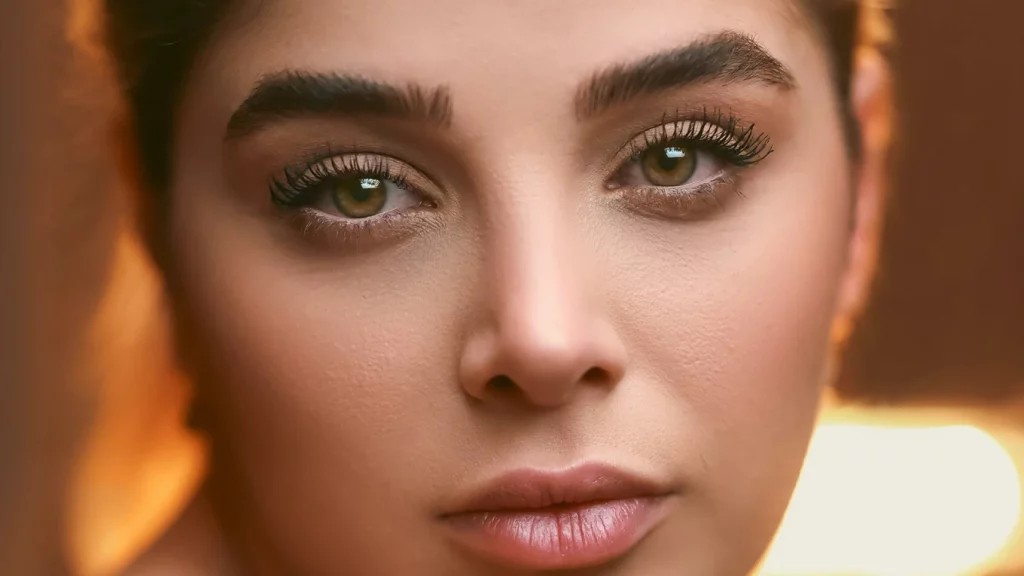
One of the biggest lifestyle changes for Gen Z is unprecedented exposure to screens. Smartphones, tablets, and laptops dominate their daily routines for school, work, social media, and entertainment.
Effects on appearance include:
- Digital eye strain: Squinting and staring at screens can create subtle lines around the eyes.
- Poor posture and tension: “Tech neck” from looking down at devices contributes to early neck lines and sagging skin.
- Sleep disruption: Late-night scrolling reduces sleep quality, leading to dark circles, puffiness, and dull skin.
In contrast, Millennials grew up with less screen dependency in their formative years, which may contribute to a more youthful appearance at similar ages.
2. Stress and Mental Health
Gen Z faces unique societal pressures that can impact appearance. From climate anxiety and economic uncertainty to social media scrutiny, chronic stress levels are high.
Stress affects the skin and overall look by:
- Triggering cortisol production, which can break down collagen and cause fine lines.
- Increasing inflammation, leading to breakouts, redness, or uneven skin tone.
- Contributing to sleep disturbances, which accelerate visible aging signs.
While Millennials also face stress, Gen Z’s exposure to constant online comparison and global pressures adds an extra layer of lifestyle-induced aging.
3. Skincare Knowledge vs. Habits
Ironically, Gen Z is highly informed about skincare, but this doesn’t always translate into optimal results. Trends like experimenting with multiple products, over-exfoliation, or excessive chemical treatments can inadvertently damage the skin.
Key factors include:
- Overuse of acids or retinoids without guidance, which may cause irritation or sensitivity.
- Excessive exposure to sun and tanning trends encouraged on social media.
- Frequent skin “experiments” with DIY treatments that may harm the skin barrier.
Millennials often adopted simpler skincare routines early on, sometimes resulting in more balanced and resilient skin over time.
4. Makeup Trends and Contouring
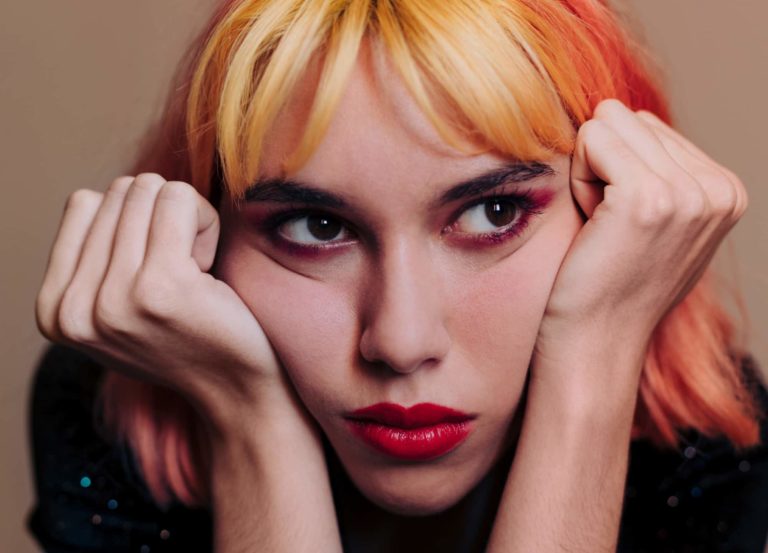
Makeup styles favored by Gen Z, including bold contouring, graphic eyeliner, and heavy highlighting, can also create the illusion of maturity. Contour techniques accentuate bone structure and shadows, which can make faces appear more sculpted and older than they are.
While Millennials favored softer, natural looks in their early adult years, Gen Z tends to embrace experimental and statement makeup, which can subtly affect perceived age.
5. Lifestyle and Nutrition
Diet, hydration, and exercise play critical roles in skin health and overall appearance. Some trends affecting Gen Z include:
- High consumption of caffeine and processed foods from late-night studying or snacking.
- Low water intake, which can reduce skin plumpness and glow.
- Sedentary habits due to extended screen time, limiting circulation and natural skin vibrancy.
Millennials, though not immune to these habits, often had more outdoor activity and structured routines during their formative years, promoting healthier-looking skin.
6. Environmental Factors
Urban living, pollution, and exposure to harsh climates also affect skin aging. Gen Z spends more time indoors under artificial lighting and near screens, with less natural sun exposure that promotes vitamin D production. Additionally, pollution and environmental stressors can accelerate skin aging, contributing to a more mature appearance.
Also Read: How Rubber Bottle Nipples Could Contribute to Childhood Asthma
Final Thoughts
While it may seem surprising, the appearance of maturity in Gen Z compared to Millennials is largely shaped by modern lifestyle choices and beauty habits. Screen time, stress, experimental skincare, makeup trends, nutrition, and environmental factors all play a role.
The good news is that many of these factors are manageable with conscious lifestyle changes:
- Prioritizing sleep and hydration
- Following gentle, consistent skincare routines
- Limiting excessive screen time and practicing eye care
- Maintaining balanced nutrition and stress management
By addressing these areas, Gen Z can maintain youthful, healthy-looking skin while still enjoying the freedom to experiment with modern trends.