Fermented foods have been a part of Indian kitchens for centuries, but recently, they have made a strong comeback—this time backed by science. With rising digestive issues, hectic modern lifestyles, and growing awareness about the gut microbiome, more Indians are embracing traditional fermented foods as natural gut health boosters. From curd to kanji and idli batter to pickles, these fermented staples are gaining renewed popularity across the country.
In this article, we explore why fermented foods matter, how they support digestion, and which Indian options offer the best benefits.
The Rising Focus on Gut Health in India
In the last few years, gut health has become one of the most searched wellness topics in India. More people now understand that the digestive system does more than just process food—it affects immunity, mood, metabolism, and overall wellbeing.
The increase in issues like bloating, acidity, IBS, and food sensitivities has pushed Indians to look for natural remedies. Fermented foods, being rich in probiotics and digestive enzymes, offer a simple and affordable solution.
What Makes Fermented Foods So Good for the Gut?
Fermentation is a natural process where beneficial bacteria break down sugars and starches in foods to create probiotics. These probiotics help restore balance in the gut microbiome, which is essential for healthy digestion.
How Fermented Foods Support Digestion
Fermented foods help break down complex nutrients, making them easier for the body to absorb. They also assist in reducing inflammation and improving bowel regularity. This makes them particularly helpful for people with irregular eating habits or digestive discomfort.
The Role of Probiotics in Gut Health
Probiotics help increase the number of good bacteria in the intestine. A balanced gut flora is linked to stronger immunity, better nutrient absorption, and improved mental health. Many Indians now take probiotic supplements, but natural fermented foods remain the most accessible option.
Traditional Indian Fermented Foods Making a Comeback
India has a long history of fermented foods, though many people didn’t realize their scientific value earlier. Today, several of these traditional items are trending again due to social media, nutrition influencers, and scientific backing.
Curd and Buttermilk: Daily Probiotic Powerhouses
Curd (dahi) is one of the easiest and healthiest fermented foods. It is packed with live cultures, helps cool the body, and supports smooth digestion. Buttermilk (chaas), especially flavored with jeera or ginger, is a refreshing drink that prevents acidity and bloating.
Idli and Dosa Batter: A South Indian Superfood
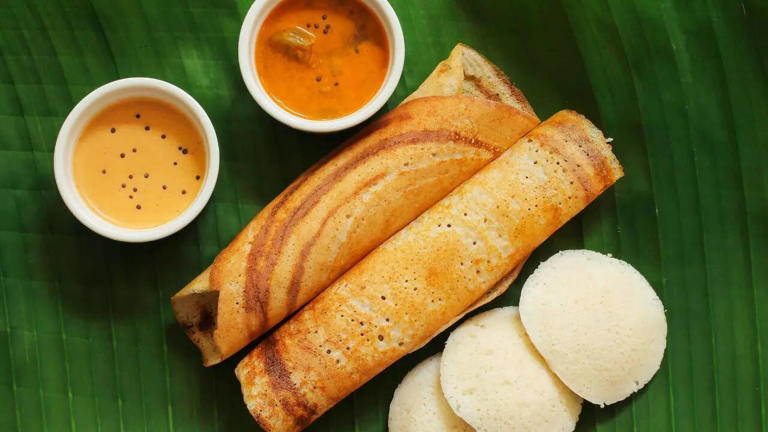
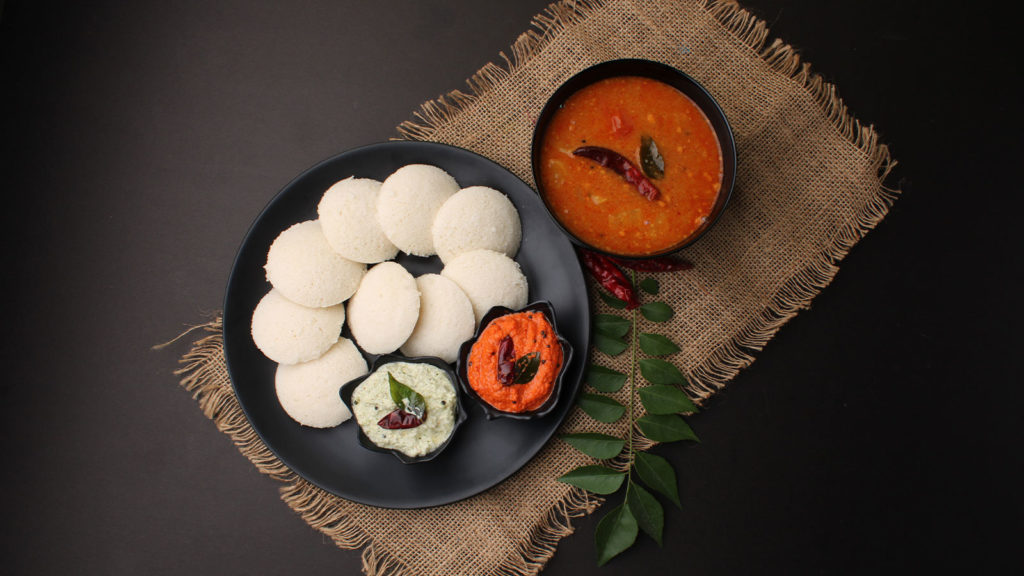
The fermentation of rice and lentils creates a naturally probiotic batter used in idlis and dosas. These foods are soft on the stomach, easy to digest, and ideal for people with weak digestion.
Pickles: More Than Just Side Dishes
Traditional homemade pickles (achaar) are naturally fermented and rich in healthy bacteria. Unlike factory-made pickles, natural ones rely on salt and spices—not vinegar—for preservation.
Kanji: North India’s Gut-Healing Drink
Kanji, a fermented beverage made using black carrots and mustard seeds, is becoming popular again for its powerful probiotic punch.
Dhokla and Handvo: Fermented Gujarati Favorites
These steamed snacks are light, fluffy, and packed with gut-friendly microbes due to overnight fermentation.
Why Modern Indians Are Returning to Fermented Foods
The growing interest is not just due to tradition—it is supported by lifestyle changes and health trends.
Busy Lifestyles Creating Digestive Strain
Irregular meals, processed foods, and stress can damage gut balance. Fermented foods are easy to digest and help reduce the load on the digestive system.
Social Media Trends and Doctor Recommendations
Nutritionists, doctors, and wellness creators are increasingly promoting fermented foods, leading more people to try them.
Affordable and Natural Alternative to Supplements
While probiotic capsules can be expensive, fermented foods offer the same benefits at a fraction of the cost.
Health Benefits Indians Are Experiencing
The shift toward fermented foods is also driven by visible improvements in wellbeing.
Better Digestion and Reduced Acidity
People who regularly consume curd, buttermilk, or fermented snacks often report fewer digestive issues and smoother bowel movements.
Stronger Immunity
Since 70% of the immune system lies in the gut, probiotics help strengthen the body’s natural defense against infections.
Weight Management Support
Fermented foods help reduce inflammation, improve metabolism, and enhance nutrient absorption—all of which support weight control.
Improved Skin Health
A balanced gut helps clear toxins from the body, often resulting in clearer, healthier-looking skin.
Common Mistakes to Avoid When Eating Fermented Foods
While fermented foods are highly beneficial, incorrect consumption can reduce their effectiveness.
Choosing Store-Bought Over Homemade
Many packaged “fermented” foods are pasteurized, killing beneficial bacteria. Homemade or naturally fermented options are ideal.
Overeating
Start with small portions, especially if you’re new to probiotics, to avoid bloating.
Mixing with Spicy or Oily Foods
Fermented foods work best when paired with light meals that are easy on the stomach.
How to Add Fermented Foods to Your Daily Diet
Incorporating them is simple and doesn’t require major dietary changes.
Easy Ways to Include Them
- Have a bowl of curd with lunch
- Drink chaas after meals
- Add kanji or kombucha as an evening drink
- Include idli or dosa for breakfast
- Add a spoon of homemade pickle to meals
For People With Lactose Intolerance
Options like kanji, pickles, fermented rice, and dosa batter are excellent dairy-free alternatives.
Read Also : Best Winter Foods in India for Immunity: What to Eat Daily
Conclusion: A Healthy Tradition Back in the Spotlight
Indians are rediscovering the value of fermented foods, not just for flavour but for their powerful impact on gut health. As science continues to highlight the importance of a strong gut microbiome, these traditional foods are proving to be more relevant than ever.
Whether you’re looking to improve digestion, boost immunity, or support overall wellness, fermented foods offer a simple and natural way to strengthen your gut—just like our ancestors did.