
Corporate stress is no longer just about deadlines. In today’s always-connected work culture, professionals are juggling meetings, emails, performance pressure, and digital overload. For years, yoga has been the go-to solution for workplace wellness. But now, companies and working professionals are exploring deeper, more immersive stress-relief practices.
Two rising trends—gong baths and Vedic breathwork—are gaining popularity as modern corporate stress-busters. These practices combine ancient wisdom with contemporary wellness needs, offering a reset for the nervous system in ways that go beyond physical stretching.
Let’s understand why these techniques are trending in corporate circles and how they work.
The Shift in Corporate Wellness Trends
Traditional corporate wellness programs often focused on gym memberships or occasional yoga workshops. While helpful, they don’t always address deeper mental fatigue, emotional burnout, and digital stress.
Today’s professionals are looking for:
- Faster mental reset
- Deep relaxation in shorter time
- Nervous system recovery
- Improved focus and clarity
This is where sound healing and conscious breathing techniques step in.
What Is a Gong Bath?
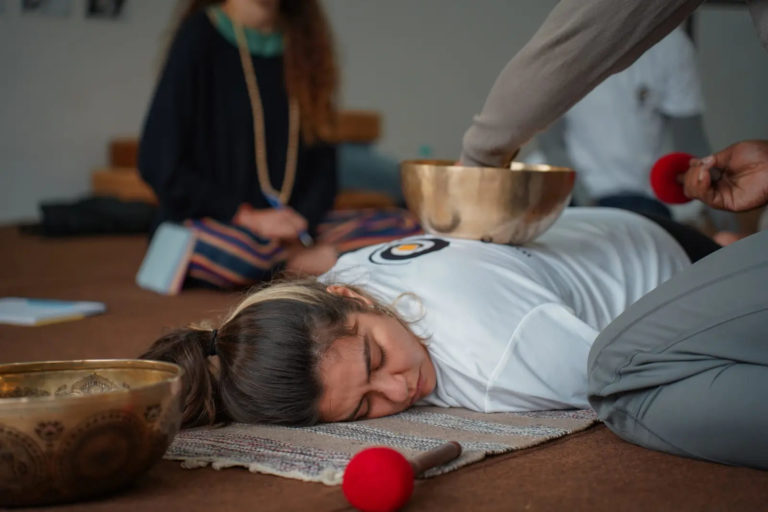
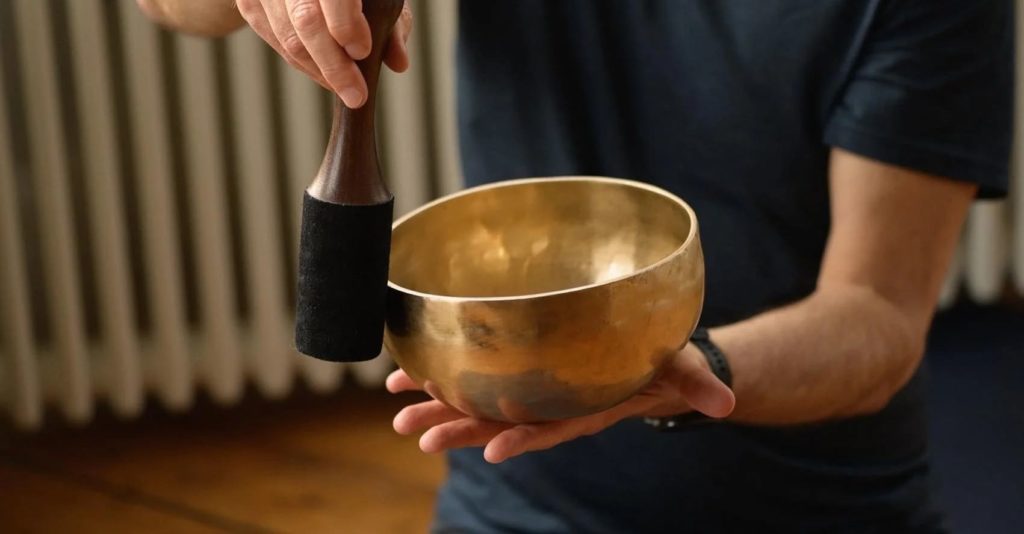
Despite the name, a gong bath doesn’t involve water. It’s a form of sound therapy where participants lie down comfortably while a practitioner plays large gongs that produce layered, resonant vibrations.
The experience is immersive and meditative.
How Gong Baths Work
The sound waves from the gong create vibrations that interact with the body and mind. Supporters of sound healing believe these frequencies help shift brainwave patterns from active beta states (alert and stressed) to slower alpha or theta states (relaxed and meditative).
Participants typically report:
- Deep relaxation
- Reduced mental chatter
- Emotional release
- Improved sleep afterward
Unlike yoga, which requires physical movement, gong baths are passive. You simply lie down and receive the experience.
Why Corporates Are Adopting Gong Baths
Companies are introducing gong sessions during:
- Leadership retreats
- Team off-sites
- Wellness days
- High-pressure project phases
The appeal lies in simplicity. Employees don’t need fitness levels or flexibility. Everyone can participate.
In high-stress corporate environments, this accessible relaxation format makes gong baths attractive.
Understanding Vedic Breathwork
Breathing techniques are not new in India. Ancient yogic traditions have long emphasized pranayama, or controlled breathing. Vedic breathwork builds on these foundations with structured breathing patterns designed to regulate the nervous system.
Unlike casual deep breathing, Vedic breathwork sessions are guided and intentional.
The Science Behind Breath and Stress
When stressed, the body activates the sympathetic nervous system—often called the “fight or flight” response. Breathing becomes shallow and rapid.
Controlled breathing activates the parasympathetic nervous system, which supports:
- Calmness
- Improved heart rate variability
- Better oxygen flow
- Mental clarity
By consciously changing breath rhythm, individuals can influence how their body responds to pressure.
Why Professionals Prefer Breathwork Over Traditional Meditation
Many corporate employees struggle with silent meditation because their minds are constantly active.
Vedic breathwork offers:
- Structured guidance
- Active participation
- Immediate physical sensation
- Faster entry into relaxation states
For professionals who find sitting still difficult, breathwork feels more practical and engaging.
Gong Baths vs Yoga: What’s the Difference?
Yoga focuses on movement, flexibility, and posture alignment combined with breath awareness. It improves physical health and gradually enhances mental clarity.
Gong baths and Vedic breathwork, however, prioritize:
- Nervous system reset
- Emotional processing
- Mental quieting
- Deep relaxation without physical exertion
For someone physically exhausted from long work hours, lying down in a sound session may feel more restorative than performing yoga postures.
That doesn’t mean yoga is outdated. Instead, these practices complement it.
Why Corporate Burnout Is Fueling This Trend
Modern corporate life includes:
- Hybrid work challenges
- 24/7 notifications
- Performance-driven cultures
- Increased competition
Burnout symptoms include:
- Brain fog
- Irritability
- Poor sleep
- Emotional fatigue
- Lack of motivation
Traditional wellness programs sometimes fail to address deeper emotional stress. Gong baths and breathwork claim to offer more immediate nervous system regulation, which appeals to companies seeking tangible stress-reduction results.
Reported Benefits of Gong Baths in Workplace Settings
While research on sound healing is still evolving, participants often report:
Improved Sleep Quality
Many employees experience better rest after sessions, especially those dealing with chronic stress.
Enhanced Focus
After deep relaxation, cognitive clarity tends to improve temporarily.
Emotional Release
Some participants describe feeling lighter or emotionally balanced.
Because workplace stress often accumulates over months, immersive sound sessions can provide a mental reset.
Reported Benefits of Vedic Breathwork for Professionals
Breathwork is often more structured than sound healing, making it suitable for corporate programs.
Immediate Calm During Stressful Situations
Employees can apply breathing techniques during:
- Presentations
- Conflict discussions
- High-pressure meetings
Better Energy Regulation
Instead of relying solely on caffeine, controlled breathing can boost alertness naturally.
Increased Emotional Awareness
Breathwork encourages awareness of internal states, which supports emotional intelligence in leadership roles.
Are These Practices Scientifically Backed?
Research on breath regulation is stronger compared to gong sound therapy. Controlled breathing techniques have been studied for their effects on:
- Stress reduction
- Blood pressure
- Anxiety levels
- Heart rate regulation
Sound healing research is still emerging. While anecdotal experiences are positive, more large-scale scientific studies are needed to validate all claims.
It’s important to approach these practices as complementary wellness tools rather than medical treatments.
How Corporates Are Integrating These Practices
Companies are introducing them through:
- Monthly wellness workshops
- Executive retreats
- Online guided breathwork sessions
- Team-building experiences
Some organizations combine:
- Light yoga
- Breathwork
- Sound bath sessions
This layered approach addresses both physical and mental stress.
Who Should Consider Gong Baths or Vedic Breathwork?
These practices may be beneficial for:
- High-pressure executives
- Startup founders
- IT professionals
- Remote workers
- Employees experiencing burnout
However, individuals with certain medical conditions, including respiratory disorders or severe mental health conditions, should consult healthcare professionals before participating in intensive breathwork sessions.
Practical Tips Before Attending a Session
If you’re curious about trying these stress-relief techniques, consider the following:
- Choose certified practitioners
- Avoid heavy meals before sessions
- Stay hydrated
- Set realistic expectations
- View it as relaxation support, not a cure
Consistency often matters more than one-time experiences.
The Future of Corporate Wellness
Workplace wellness is evolving from surface-level fitness perks to deeper mental health support. As awareness of burnout increases, companies are investing in holistic stress-management strategies.
Gong baths and Vedic breathwork represent a broader shift toward:
- Nervous system regulation
- Emotional balance
- Sustainable productivity
- Mind-body integration
Rather than replacing yoga, these practices expand the corporate wellness toolkit.
Read Also : How Yoga for 10 Minutes a Day Improves Mental Health
Final Thoughts
In today’s fast-paced corporate environment, stress management needs to go beyond occasional yoga classes. Practices like gong baths and Vedic breathwork offer immersive and structured approaches to relaxation that resonate with modern professionals.
While scientific validation is still developing, many participants report feeling calmer, clearer, and more balanced after sessions. For organizations aiming to support employee well-being more deeply, these ancient-yet-modern techniques may become an important part of future wellness programs.
As corporate culture continues to evolve, the focus is shifting from simply working harder to working healthier—and that shift may be powered by sound and breath