

Modern life moves fast, and mental stress has quietly become part of everyday routines. Work pressure, screen overload, lack of sleep, and constant notifications can leave the mind feeling cluttered and overwhelmed. The good news? You don’t need a one-hour workout or a silent retreat in the mountains to feel better. Just 10 minutes of yoga a day can create noticeable improvements in mental health, emotional balance, and focus.
Yoga is more than stretching. It blends movement, breathing, and mindfulness — three elements scientifically linked to lower stress and better brain function. Let’s explore how a short daily practice can make a big difference.
Why Mental Health Needs Daily Care
Mental well-being works like physical fitness. You cannot exercise once a month and expect lasting strength. Similarly, small daily habits shape your emotional resilience.
Stress triggers the body’s “fight or flight” response, releasing hormones like cortisol and adrenaline. When stress becomes constant, it affects sleep, mood, digestion, and even immunity. Yoga helps counter this by activating the parasympathetic nervous system, which signals the body to relax, recover, and reset.
Ten minutes may sound small, but consistency matters more than duration.
How Yoga Affects the Brain
Yoga influences both the body and mind through measurable biological changes.
Reduces Stress Hormones
Gentle stretching combined with deep breathing lowers cortisol levels. When cortisol drops, the mind feels calmer, thoughts slow down, and emotional reactions become more balanced.
Increases “Feel-Good” Chemicals
Yoga stimulates the release of serotonin, dopamine, and GABA — neurotransmitters associated with happiness, motivation, and relaxation. This is why people often feel lighter and clearer after even a short session.
Improves Brain Function
Breathing exercises increase oxygen flow to the brain, which enhances concentration, memory, and decision-making. This makes yoga especially helpful for students and professionals dealing with mental fatigue.
The Power of Breath in Mental Health
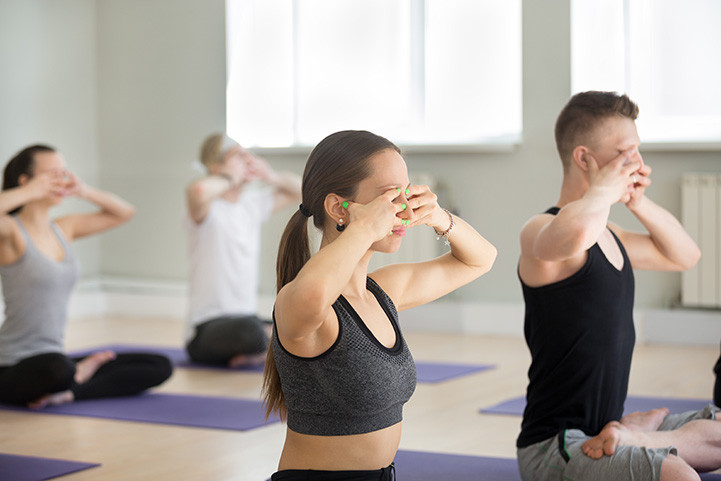
Breathing is the bridge between the body and mind. When anxious, breathing becomes shallow and fast. When calm, it becomes slow and deep.
Yoga teaches controlled breathing techniques (pranayama) that regulate the nervous system.
Deep Breathing Reduces Anxiety
Slow, steady breathing sends a message to the brain that there is no danger. This helps reduce racing thoughts and panic sensations.
Improves Emotional Control
Focused breathing builds awareness. Instead of reacting impulsively to stress, you learn to pause, breathe, and respond calmly.
Just two minutes of deep breathing can shift your mental state significantly.
How Movement Releases Emotional Tension
Emotions are not only mental — they are stored in the body. Tight shoulders, stiff necks, and lower back tension often reflect emotional stress.
Yoga postures gently release this stored tension.
Relaxes the Nervous System
Poses like Child’s Pose and Forward Bends signal safety to the body, helping it exit stress mode.
Improves Sleep Quality
Evening yoga reduces mental chatter and physical restlessness, making it easier to fall asleep and stay asleep.
Better sleep naturally improves mood, focus, and patience the next day.
10-Minute Yoga Routine for Mental Health
You don’t need equipment or a large space. A quiet corner and comfortable clothing are enough.
1. Seated Deep Breathing (2 Minutes)
Sit comfortably, close your eyes, and inhale slowly through the nose. Exhale longer than you inhale. This immediately calms the mind.
2. Neck and Shoulder Rolls (2 Minutes)
Gently rotate the neck and shoulders to release tension built from screen time and stress.
3. Cat-Cow Stretch (2 Minutes)
This flowing movement between arching and rounding the back relaxes the spine and improves circulation.
4. Child’s Pose (2 Minutes)
Resting forward helps reduce anxiety and quiet the mind.
5. Short Meditation (2 Minutes)
Sit still and observe your breath. Let thoughts come and go without judgment.
In just ten minutes, you activate relaxation, improve oxygen flow, and release muscle tension.
Yoga and Emotional Balance
Regular yoga creates a stronger mind-body connection. You become more aware of your emotional patterns and stress triggers.
Builds Resilience
People who practice yoga consistently report fewer mood swings and better stress tolerance. Challenges still occur, but reactions become calmer.
Reduces Symptoms of Depression
Research suggests yoga helps regulate mood-related brain chemicals and improves energy levels, making it a helpful support tool alongside professional care.
Why Short Sessions Work Better
Long workouts can feel overwhelming, especially for beginners. Ten minutes feels manageable, which increases consistency.
Small daily practices:
- Fit easily into busy schedules
- Reduce the pressure of “finding time”
- Build long-term habits
- Deliver cumulative mental health benefits
Consistency trains the nervous system to stay balanced even outside yoga sessions.
Yoga Encourages Mindfulness
Mindfulness means being present in the moment. Yoga gently trains the mind to focus on breath and movement rather than worries about the past or future.
Over time, this reduces overthinking and improves clarity.
Mindfulness also improves relationships, as you become a better listener and more emotionally aware.
Long-Term Mental Health Benefits
With daily practice, benefits compound.
- Lower overall anxiety
- Improved self-confidence
- Better emotional regulation
- Increased focus and productivity
- Stronger mind-body awareness
Yoga becomes a mental reset button you can use anytime.
Tips for Making Yoga a Daily Habit
Starting is often the hardest part. These tips help build consistency.
Keep It Simple
Choose 3–5 poses you enjoy. No need for complex routines.
Same Time, Same Place
Practicing at the same time each day creates a habit loop.
Don’t Aim for Perfection
Yoga is not about flexibility. It’s about awareness and breath.
Track Your Mood
Notice how you feel before and after sessions. This reinforces motivation.
Read Also : Yoga Mat Material Guide: Which One Is Right for You?
Final Thoughts
Mental health doesn’t always require big changes. Sometimes, the most powerful solutions are simple and consistent. Practicing yoga for just 10 minutes a day helps calm the nervous system, balance emotions, improve focus, and build resilience against stress.
In a world that constantly demands attention, yoga offers a quiet pause — a space where the mind can breathe. Over time, those small daily pauses create a stronger, calmer, and healthier mind.