
Introduction
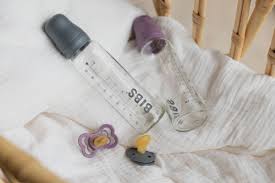
Childhood asthma is a growing concern worldwide, affecting millions of children and impacting their quality of life. While genetics, environmental factors, and air pollution are well-known contributors, certain household items may also play a role. One often-overlooked factor is rubber bottle nipples used in infant feeding.
Understanding how these products may affect respiratory health is crucial for parents and caregivers who want to minimize asthma risks in early childhood.
What Are Rubber Bottle Nipples?
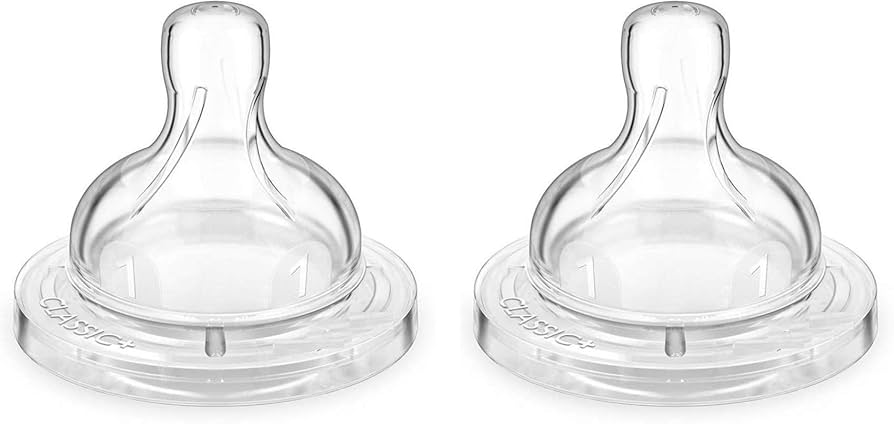
Rubber bottle nipples, often made from natural latex or synthetic rubber, are a common feeding tool for infants. They are prized for their flexibility, softness, and resemblance to a mother’s nipple, which makes the transition to bottle feeding easier.
However, rubber is a material that can release proteins and chemicals, especially if it is not high-quality or properly processed. Some of these compounds may act as allergens or irritants, which can affect a child’s delicate respiratory system.
How Rubber Nipples Can Trigger Allergic Reactions
One of the primary concerns with natural rubber (latex) is the potential for allergic reactions:
- Latex Proteins: Some infants may develop sensitivity to proteins present in natural latex. When these proteins are inhaled or ingested, they can trigger an immune response, which may manifest as respiratory symptoms.
- Chemical Residues: During the manufacturing process, rubber nipples may retain chemical residues such as accelerators, stabilizers, or vulcanizing agents, which can irritate the lungs when airborne particles are released.
- Sensitization: Early exposure to latex can sensitize some children, making them more prone to allergies and asthma later in life.
How Asthma Symptoms May Develop
Children exposed to latex or rubber-related allergens may experience respiratory symptoms including:
- Wheezing or persistent coughing
- Shortness of breath
- Chest tightness
- Nasal congestion or sneezing
In infants and toddlers, these symptoms may be subtle initially but can worsen over time if the exposure continues. Children with a family history of asthma or allergies are at higher risk.
Factors That Increase Risk
Several factors can make rubber nipples more likely to contribute to asthma:
- Latex Content: Natural latex is more allergenic than synthetic alternatives like silicone.
- Poor Ventilation: Enclosed spaces where bottles are stored or used can increase exposure to airborne irritants.
- Age of the Child: Infants’ lungs are still developing, making them more sensitive to irritants.
- Frequency of Use: Constant exposure through multiple daily feedings can increase the likelihood of sensitization.
Safer Alternatives for Infant Feeding
Parents and caregivers have several options to reduce the potential asthma risk associated with rubber nipples:
- Silicone Nipples: Made from medical-grade silicone, these are hypoallergenic and resistant to chemical residues.
- Latex-Free Nipples: Some rubber products are specially treated to remove allergenic proteins.
- Proper Cleaning and Sterilization: Regularly cleaning bottles and nipples reduces bacterial buildup and chemical residue.
- Choosing High-Quality Brands: Certified, high-quality nipples undergo rigorous testing for safety and allergen reduction.
Additional Measures for Asthma Prevention
Besides choosing safer bottle nipples, other steps can help protect children from developing asthma:
- Maintaining good indoor air quality by reducing dust, smoke, and strong fragrances
- Monitoring family history and discussing asthma risks with a pediatrician
- Ensuring proper nutrition to support lung and immune system development
- Minimizing exposure to known environmental triggers
Also Read: How Screen Time and Sleep Deprivation Cause Dark Circles
Final Thoughts
While rubber bottle nipples are convenient and widely used, they may contribute to childhood asthma in susceptible infants, particularly if they contain natural latex or chemical residues. Awareness of the potential risks and choosing safer alternatives like silicone or latex-free nipples can help parents reduce exposure and protect their child’s respiratory health.
Early prevention, combined with good feeding practices and a healthy home environment, can make a significant difference in minimizing asthma risk during infancy and early childhood.