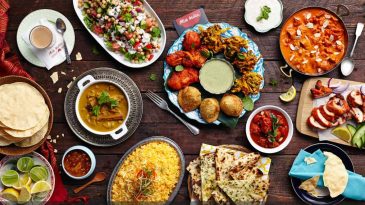
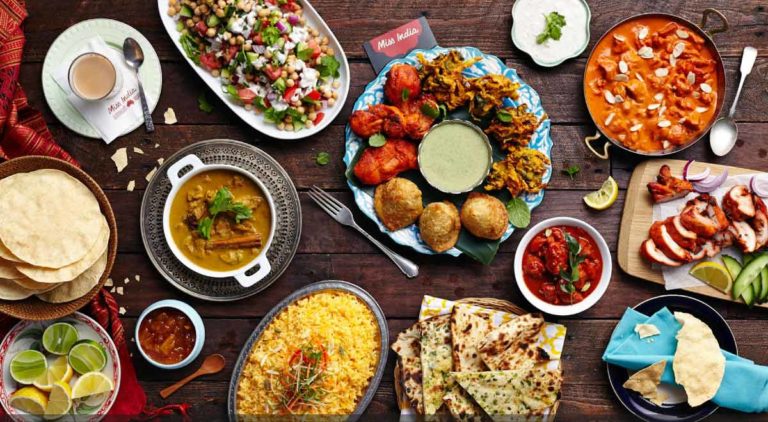
In today’s fast-paced lifestyle, many people rely on restaurant meals, street food, or online food delivery for convenience. While outside food may save time, it often comes at the cost of health. Homemade Indian food, on the other hand, has been part of our culture for centuries and is designed to nourish the body holistically. From balanced spices to mindful cooking methods, home-cooked meals offer benefits that outside food simply cannot match.
This blog explores why homemade Indian food is healthier than outside food, focusing on nutrition, hygiene, digestion, mental well-being, and long-term health.
Understanding the Difference Between Homemade and Outside Food
Before comparing health benefits, it’s important to understand how homemade food differs fundamentally from outside food.
What Is Considered Homemade Indian Food?
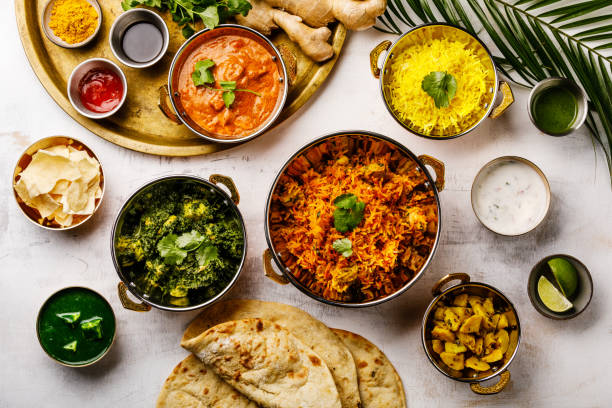
Homemade Indian food typically includes fresh vegetables, lentils, whole grains, spices, and cooking oils prepared in your own kitchen. Recipes are often traditional, seasonal, and adjusted according to family preferences and health needs.
What Comes Under Outside Food?
Outside food includes restaurant meals, fast food, street food, packaged snacks, and food ordered through delivery apps. These foods are often mass-produced, heavily processed, and designed to maximize taste and shelf life rather than nutrition.
Better Control Over Ingredients and Quality
One of the biggest advantages of homemade food is complete control over what goes into your meal.
Fresh and Natural Ingredients
At home, you choose fresh vegetables, good-quality grains, and trusted brands of oils and spices. Outside food may use stale vegetables, low-grade oils, or artificial flavor enhancers to cut costs.
No Hidden Additives or Preservatives
Restaurants often use preservatives, food colors, and taste enhancers like excess salt or MSG to make food more appealing. Homemade Indian food avoids these unnecessary additives, making meals cleaner and safer.
Healthier Cooking Oils and Methods
The way food is cooked plays a major role in its impact on health.
Right Choice of Oils
In home kitchens, people commonly use oils like mustard oil, groundnut oil, coconut oil, or ghee in controlled quantities. Outside food frequently uses reused or low-quality refined oils, which can increase the risk of heart disease.
Balanced Cooking Techniques
Homemade Indian meals often involve boiling, steaming, pressure cooking, or light sautéing. In contrast, outside food relies heavily on deep-frying and high-heat cooking, which destroys nutrients and adds unhealthy fats.
Balanced Nutrition as per Indian Diet Principles
Traditional Indian food is naturally designed to be balanced and nourishing.
Proper Combination of Nutrients
A typical homemade Indian meal includes roti or rice (carbohydrates), dal or paneer (protein), sabzi (fiber and vitamins), curd (probiotics), and a small amount of fat. Outside food usually lacks this balance and is high in carbs and fats but low in fiber.
Use of Healing Spices
Indian spices like turmeric, cumin, coriander, ginger, garlic, and asafoetida are not just for flavor. They aid digestion, boost immunity, and reduce inflammation. Outside food often uses spices mainly for taste, not health.
Improved Digestion and Gut Health
Good digestion is the foundation of overall health, and homemade food supports it naturally.
Freshly Cooked Meals Are Easier to Digest
Homemade food is usually eaten fresh, which helps the digestive system work efficiently. Outside food may be cooked hours earlier and reheated, making it heavier on the stomach.
Less Stress on the Gut
Outside food is often spicy, oily, and salty, which can cause acidity, bloating, constipation, or indigestion. Homemade meals are milder and can be customized to suit individual digestive needs.
Higher Hygiene and Food Safety Standards
Food hygiene is a major concern when eating outside.
Clean Cooking Environment
At home, you know the cleanliness of your kitchen, utensils, and water source. Outside food is prepared in bulk, and hygiene standards may vary, increasing the risk of food poisoning.
Reduced Risk of Contamination
Homemade food has less exposure to dust, pollution, and repeated handling. Street food and restaurant meals may be exposed to environmental contaminants, especially in crowded urban areas.
Better Portion Control and Mindful Eating
How much and how you eat is just as important as what you eat.
Controlled Portion Sizes
At home, portion sizes are usually moderate and aligned with hunger levels. Outside food often comes in oversized portions, encouraging overeating.
Encourages Mindful Eating
Eating at home with family promotes slower, mindful eating, which improves digestion and prevents overeating. Outside food is often eaten in a rush or while multitasking.
Positive Impact on Long-Term Health
Regular consumption of homemade food can significantly reduce the risk of lifestyle diseases.
Lower Risk of Obesity and Diabetes
Homemade Indian food is rich in fiber and low in refined sugars, helping maintain healthy blood sugar levels and weight. Outside food is calorie-dense and increases the risk of obesity and type 2 diabetes.
Supports Heart Health
Controlled salt, healthy fats, and balanced meals at home support heart health. Outside food is often high in sodium and trans fats, which can lead to high blood pressure and cholesterol issues.
Emotional and Mental Well-Being
Food is closely connected to emotional health, especially in Indian households.
Comfort and Emotional Satisfaction
Homemade food provides emotional comfort and a sense of belonging. Traditional meals cooked with care can reduce stress and improve overall mood.
Strengthens Family Bonds
Cooking and eating together at home strengthens relationships and promotes healthier eating habits, especially among children.
Cost-Effective and Sustainable Choice
Health is not the only benefit of home cooking.
Saves Money in the Long Run
Homemade meals are significantly cheaper than eating outside regularly. This allows families to invest in better ingredients without overspending.
Environmentally Friendly
Home cooking produces less packaging waste compared to food delivery and packaged outside food, making it a more sustainable choice.
Read Also : How to Make Homemade Winter Drinks for Immunity
Conclusion
Homemade Indian food is healthier than outside food because it prioritizes freshness, balance, hygiene, and mindful cooking. With better control over ingredients, healthier cooking methods, and traditional wisdom rooted in Indian culture, home-cooked meals support both physical and mental well-being.
While enjoying outside food occasionally is fine, making homemade Indian food the foundation of your daily diet can lead to improved digestion, stronger immunity, and long-term health benefits. In the long run, returning to home-cooked meals is not just a healthier choice but a smarter and more sustainable lifestyle decision.