
Introduction
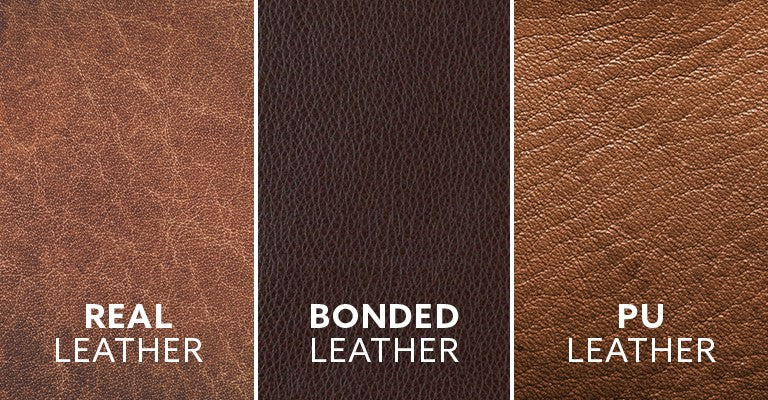
Buying leather products for the first time can feel confusing. Labels like genuine leather, PU leather, vegan leather, and synthetic leather are often used loosely, and not every seller explains what they really mean. As a result, many buyers end up paying premium prices for products that don’t deliver the durability, comfort, or character of real leather.
This guide is designed for complete beginners. By the end, you’ll know exactly how to identify genuine leather, understand common marketing tricks, and feel confident making informed buying decisions—whether you’re shopping for bags, shoes, wallets, jackets, or furniture.
What Is Genuine Leather?

Genuine leather is made from animal hide, most commonly cowhide, that has been processed through tanning to make it durable and long-lasting. Unlike synthetic alternatives, real leather is a natural material with unique grain patterns, subtle imperfections, and the ability to age beautifully over time.
One important point many beginners miss: “genuine leather” is a real category, but it is not the highest quality leather. It simply means the product contains real leather. Quality depends on which layer of the hide is used and how it is processed.
Why Identifying Real Leather Matters
Learning how to spot genuine leather isn’t just about avoiding scams. Real leather offers practical benefits that fake leather cannot fully replicate:
- It lasts significantly longer when properly cared for
- It becomes softer and more comfortable with use
- It develops a natural patina that adds character
- It is more breathable than synthetic materials
When you know how to identify genuine leather, you’re not just buying a product—you’re investing in quality and longevity.
The Visual Test: Look Closely at the Surface
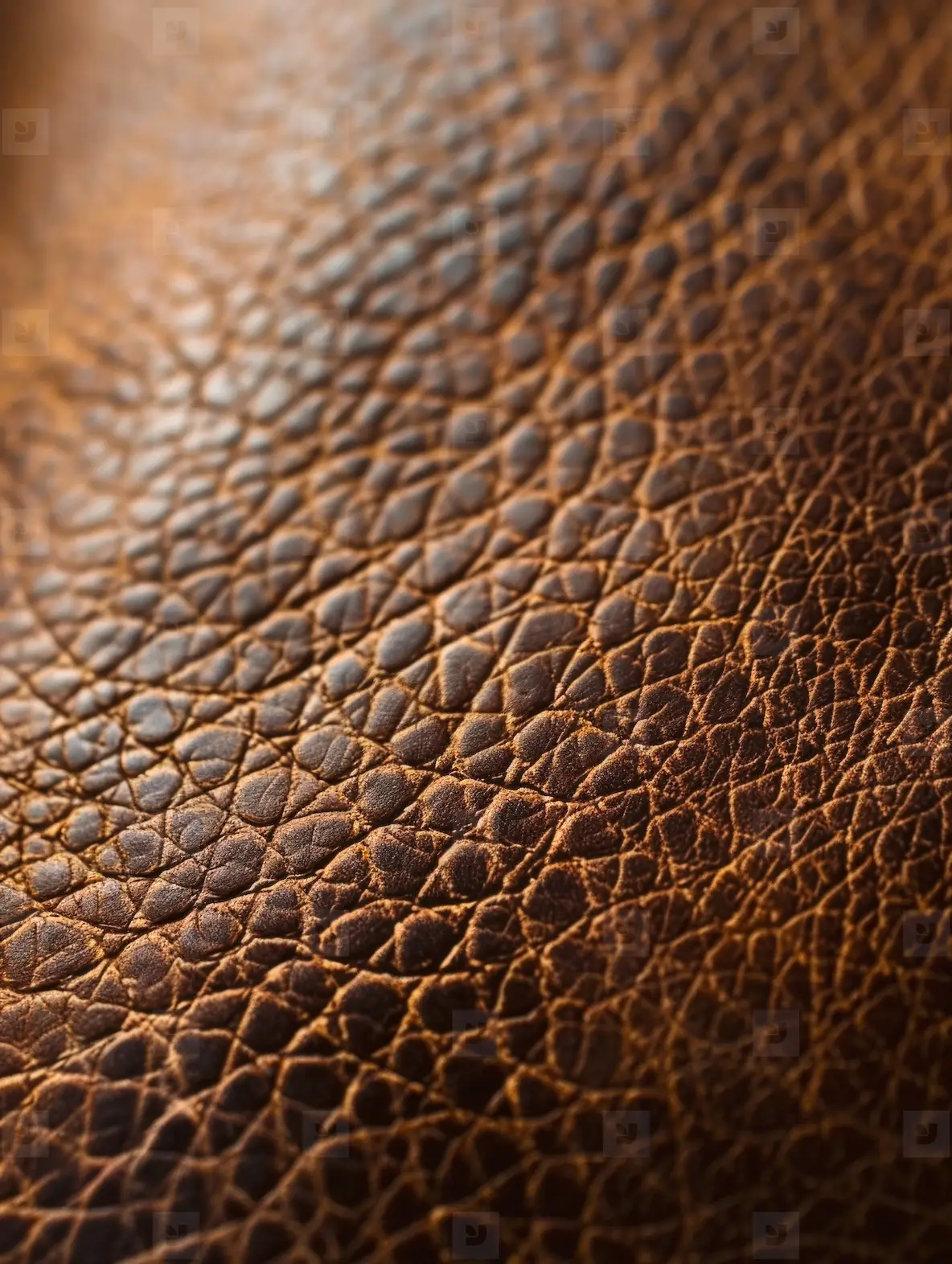
Start by examining the leather’s surface.
Genuine leather has an uneven grain. You’ll notice natural variations, small wrinkles, pores, and slight imperfections. No two pieces look exactly the same because animal skin is naturally irregular.
Fake leather looks too perfect. Synthetic leather often has a repeating pattern, uniform texture, and an almost plastic-like appearance. If the surface looks printed or overly consistent, that’s a red flag.
The Touch Test: Feel the Difference
Touch can tell you a lot.
- Real leather feels warm, soft, and slightly flexible
- When pressed, it wrinkles gently and then relaxes
- It never feels stiff or plasticky
Synthetic leather usually feels colder, smoother, and less responsive. When pressed, it may feel rigid or snap back unnaturally without forming subtle creases.
The Smell Test: A Surprisingly Reliable Indicator
Genuine leather has a distinct, earthy smell that’s hard to replicate. It’s rich, organic, and instantly recognizable once you’ve experienced it.
Fake leather often smells like plastic, chemicals, or glue. Some manufacturers add artificial scents, but these tend to smell sharp or artificial rather than deep and natural.
While smell alone shouldn’t be your only test, it’s a strong supporting clue.
The Water Drop Test (When Allowed)
If you’re allowed to test discreetly, place a small drop of water on an inconspicuous area.
- Real leather absorbs water slowly, darkening slightly
- Fake leather repels water, with droplets sitting on the surface
This works because genuine leather is porous, while synthetic materials are not. Just be sure to wipe away moisture immediately to avoid marks.
Check the Edges and Backing
Look at the cut edges of the product.
- Real leather edges appear rough or fibrous
- Synthetic leather edges look smooth, sealed, or plastic-like
If the product has a visible backing or interior layer, genuine leather often shows a suede-like underside. Faux leather typically has a fabric or foam backing.
Read Labels Carefully (and Critically)
Labels can help—but only if you know how to read them.
Terms That Indicate Real Leather
- Genuine leather
- Full-grain leather
- Top-grain leather
- Real leather
- 100% leather
Terms That Signal Synthetic Leather
- PU leather
- Faux leather
- Vegan leather
- Synthetic leather
- Man-made leather
Be cautious: “Genuine leather” does not mean premium quality, only that some real leather is used. Always combine label reading with physical inspection.
Understand Leather Grades (Beginner Breakdown)
Not all genuine leather is equal. Here’s a simple overview:
- Full-grain leather: Highest quality, natural grain, extremely durable
- Top-grain leather: Slightly processed, smooth, high quality
- Genuine leather: Lower layers of the hide, real but less durable
- Bonded leather: Leather scraps mixed with adhesives; lowest quality
Knowing these grades helps you set realistic expectations for price and performance.
Price as a Reality Check
While price alone isn’t proof, it can be a warning sign.
Real leather requires skilled processing and quality raw materials. If a product is extremely cheap yet claims to be genuine leather, it’s worth questioning the claim. Quality leather products tend to fall within a consistent price range based on type and craftsmanship.
Common Myths Beginners Should Avoid
One common myth is that fake leather is always obvious. In reality, modern synthetic leather can look convincing at first glance. Another misconception is that all genuine leather is luxury leather—this isn’t true. Understanding material grades is just as important as knowing whether leather is real.
How to Buy Genuine Leather with Confidence
For beginners, the safest approach combines multiple checks:
- Examine texture and grain
- Feel the material’s flexibility
- Trust your sense of smell
- Read labels carefully
- Buy from reputable sellers with transparency
When possible, ask questions. Sellers who truly offer genuine leather are usually happy to explain sourcing, leather type, and care instructions.
Also Read: Best Traditional Sankranti Sweets Made with Til & Jaggery
Final Thoughts
Learning how to identify genuine leather is a skill that gets easier with experience. The more real leather products you see, touch, and compare, the more confident you’ll become. Instead of relying on marketing language alone, trust your senses and knowledge.
For beginners, this understanding turns leather shopping from a guessing game into an informed, satisfying experience—one where you know exactly what you’re paying for and why it’s worth it.