
Introduction
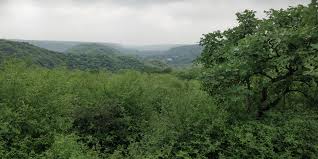
Stretching across northwestern India, the Aravali range is one of the oldest mountain systems on Earth. Older than the Himalayas, these ancient hills have silently protected ecosystems, regulated climate, and supported human civilization for thousands of years. Yet today, the Aravali is in serious danger. Rapid urbanization, illegal mining, deforestation, and policy neglect are pushing this fragile range toward irreversible damage.
The decline of the Aravali is not just an environmental issue—it is a direct threat to water security, air quality, biodiversity, and climate stability across large parts of India.
Why the Aravali Range Matters
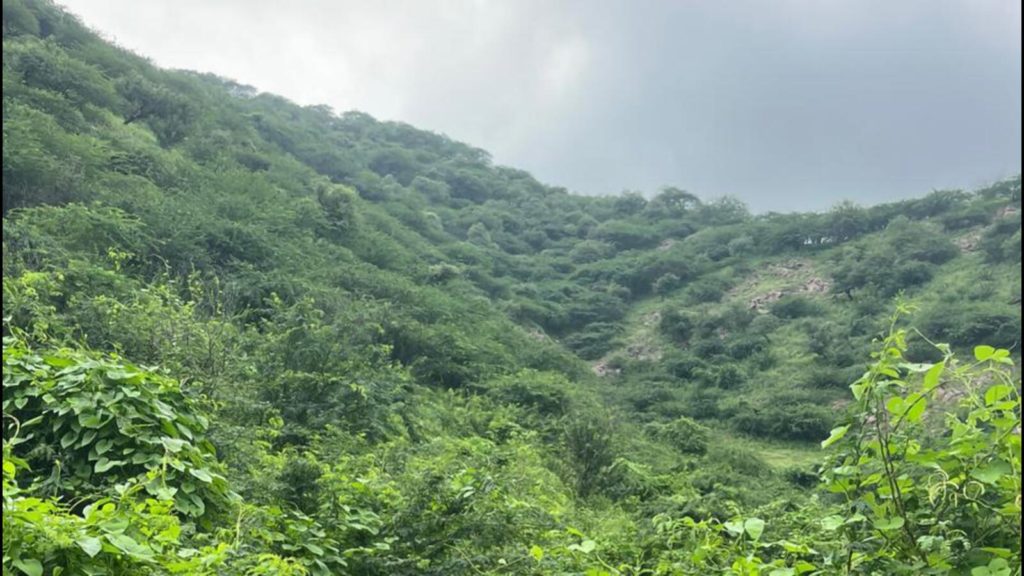
The Aravali range runs approximately 800 kilometers, from Gujarat through Rajasthan and Haryana to Delhi. Despite its modest height, its ecological role is immense.
One of its most critical functions is acting as a natural barrier against desertification. The Aravali slows the eastward expansion of the Thar Desert, protecting fertile plains and agricultural regions. Without this barrier, desert conditions could spread rapidly into Haryana, Delhi, and western Uttar Pradesh.
The range is also a major groundwater recharge zone. Its rocky terrain and forest cover allow rainwater to percolate into aquifers, sustaining rivers, lakes, and wells in an otherwise water-stressed region. Cities like Delhi and Gurugram depend heavily on groundwater linked to the Aravali ecosystem.
A Shield Against Air Pollution and Climate Extremes
In recent years, North India has faced severe air pollution, especially during winter months. The Aravali forests play a vital role in absorbing dust, pollutants, and carbon dioxide. They act as a green lung for the National Capital Region, reducing particulate matter and moderating temperatures.
The range also influences local climate patterns. By supporting vegetation and moisture retention, it helps regulate heat extremes and supports monsoon behavior. As the Aravali weakens, heatwaves become more intense, rainfall more erratic, and weather patterns more unpredictable.
Biodiversity at Risk
The Aravali range is home to a surprisingly rich variety of flora and fauna. It supports dry deciduous forests, grasslands, and scrub ecosystems. Leopards, hyenas, jackals, nilgai, foxes, reptiles, birds, and countless plant species depend on this habitat.
Many of these species already face shrinking territories due to habitat fragmentation. Wildlife corridors are being cut off by highways, real estate projects, and mining zones. As forest cover declines, animals are forced into human settlements, increasing conflict and reducing survival chances.
Loss of biodiversity weakens ecosystems, making them less resilient to climate stress and environmental shocks.
Illegal Mining: The Biggest Threat
One of the most destructive forces acting on the Aravali is illegal and unregulated mining. Stone, quartz, and other minerals are extracted aggressively, often in violation of environmental laws and court orders.
Mining destroys hill structures, removes vegetation, and leaves behind deep scars in the landscape. It disrupts groundwater flow, causes soil erosion, and releases large amounts of dust into the air. Once a hill is mined, it cannot be restored to its original ecological function.
Despite multiple bans and Supreme Court interventions, illegal mining continues due to weak enforcement, economic interests, and administrative loopholes.
Urban Expansion and Real Estate Pressure
Rapid urban growth, particularly around Delhi, Gurugram, Faridabad, and Alwar, has put immense pressure on the Aravali. Forest land is being cleared for housing projects, roads, resorts, and commercial complexes.
In many cases, protected forest areas are reclassified or loosely defined, allowing construction to proceed legally or semi-legally. Natural drainage systems are blocked, increasing the risk of urban flooding during heavy rains.
What is often marketed as “development” comes at the cost of long-term ecological stability and public well-being.
Weak Protection and Policy Gaps
Although parts of the Aravali fall under forest or protected land categories, large sections lack strong legal protection. Overlapping jurisdiction between states and agencies leads to confusion and poor accountability.
Environmental impact assessments are often diluted or bypassed. Short-term economic gains are prioritized over long-term environmental costs. Conservation efforts exist on paper but struggle in execution due to limited funding, political will, and public awareness.
Without clear, enforceable protection policies, the Aravali remains vulnerable.
Water Crisis Linked to Aravali Degradation
As the Aravali is damaged, groundwater recharge declines sharply. Wells dry up faster, lakes shrink, and dependence on external water sources increases. Cities already struggling with water shortages face worsening conditions.
The drying of natural water bodies linked to the Aravali has a cascading effect—affecting agriculture, drinking water supply, and ecosystem health. Restoring the Aravali is directly linked to addressing the water crisis in northwestern India.
The Cost of Inaction
If the destruction of the Aravali continues unchecked, the consequences will be severe and long-lasting. Desertification could accelerate. Air quality could worsen further. Water scarcity could become more extreme. Biodiversity loss could reach a tipping point.
Most importantly, these impacts will affect millions of people, not just wildlife or remote forest regions. Environmental collapse does not respect city boundaries or economic status.
What Can Be Done to Save the Aravali
Protecting the Aravali requires coordinated action at multiple levels.
Stronger legal protection is essential. Clear boundaries, strict enforcement against illegal mining, and transparent monitoring systems must be implemented. Forest restoration projects should focus on native species and long-term ecosystem recovery rather than cosmetic plantation drives.
Urban planning must respect ecological limits. Development should move away from sensitive zones, and existing damage should be mitigated through ecological restoration.
Public awareness also plays a critical role. When citizens understand the connection between the Aravali and their air, water, and climate, pressure for accountability grows.
Also Read: Top 10 Indian Web Series That Showcase Unique Indian Cultures
Conclusion
The Aravali is not just a geological formation—it is a living system that supports life, climate balance, and human survival. Destroying it for short-term profit is an irreversible mistake.
Saving the Aravali requires a shift in mindset—from exploiting nature to coexisting with it. With informed policies, responsible development, and public participation, it is still possible to protect and restore this ancient guardian of North India.
The question is not whether we can afford to save the Aravali.
The real question is whether we can afford to lose it.